
Did you master how Korean hotels work in [🔗 Part 24. Korea Hotel Guide: From the No-Free-Toothbrush Law to 220V Adapters & Bidets]?
While hotels are comfortable and convenient, booking an Airbnb is a fantastic option if you want to experience daily life in a real Korean neighborhood or stay in a tranquil traditional Hanok.
However, the number one thing that confuses travelers trying to live like a local in a Korean Airbnb is the country’s strict trash sorting and disposal system. From buying official district garbage bags and telling food waste apart to getting cash refunds for empty bottles, here are the essential trash disposal rules you need to know for a smooth Airbnb stay.
🚨 Before You Start: Never Mix All Your Trash in One Bag!
Using official volume-rate garbage bags and sorting recyclables is mandatory by law in South Korea. Throwing trash away in a regular plastic bag can result in a 200,000 KRW fine, and mixing food waste or recyclables into a general trash bag carries a 100,000 KRW fine (first offense).

1. General Trash: Buying & Using District Bags
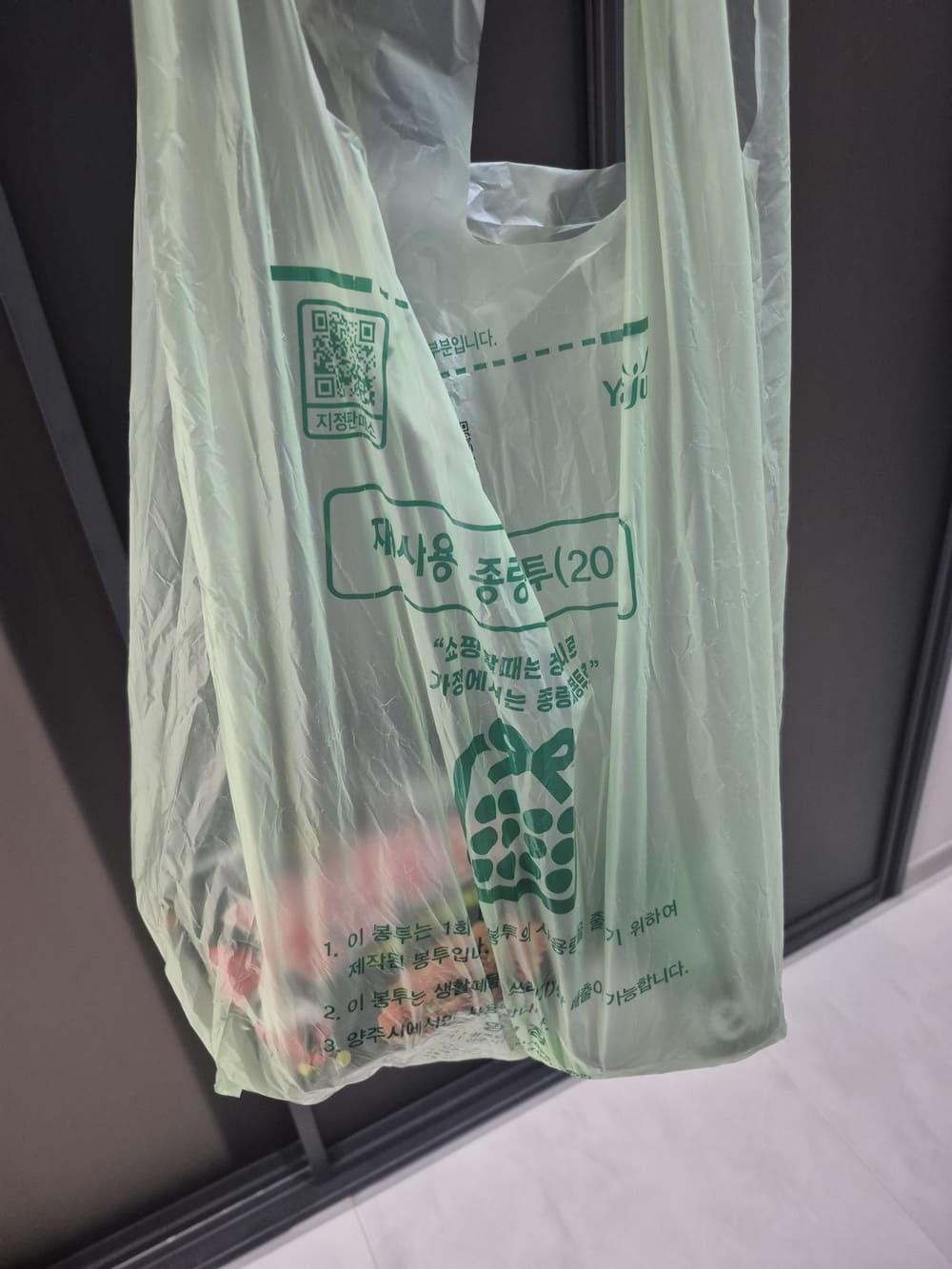
Everything that isn’t recyclable or food waste—such as used tissues, wet wipes, soiled paper, and receipts—must be thrown away in an official district-issued volume-rate garbage bag (Jongnyangje bag).
- 📍 Buy Bags in the Same District (Gu/Gun) as Your Accommodation: Each official garbage bag is printed with the name of the local district office (e.g., Mapo-gu, Gangnam-gu). Because trash placed in a bag from a different district will not be collected, always buy your bags at a convenience store or supermarket right near your Airbnb.
- 🛒 Use Supermarket “Reusable Volume-Rate Bags”: When grocery shopping at a supermarket, ask the cashier for a reusable volume-rate garbage bag at checkout. You can use it as a shopping bag to carry your groceries home first, then reuse it directly as your official general trash bag at your accommodation.
2. How to Sort Food Waste
In South Korea, collected food waste is processed into animal feed or compost. Because of this, not everything left over from your meal counts as food waste.
💡 Food Waste vs. General Trash (Animal Feed & Digestibility Rule)
When in doubt, ask yourself whether livestock (such as pigs) could safely chew and digest it once processed into animal feed:
- Soft food that livestock can digest 👉 Food Waste (Official food waste bag or RFID bin)
- Hard or fibrous items that cannot be digested 👉 General Trash (Official volume-rate bag)
| Item | Disposal Category | Reason |
| Rice, noodles, bread, boneless meat, soft fruit peels (banana, apple, tangerine) | ✅ Food Waste | Can be processed into animal feed or compost |
| Chicken bones, pork/beef bones, fishbones | ❌ General Trash | Too hard to grind or digest |
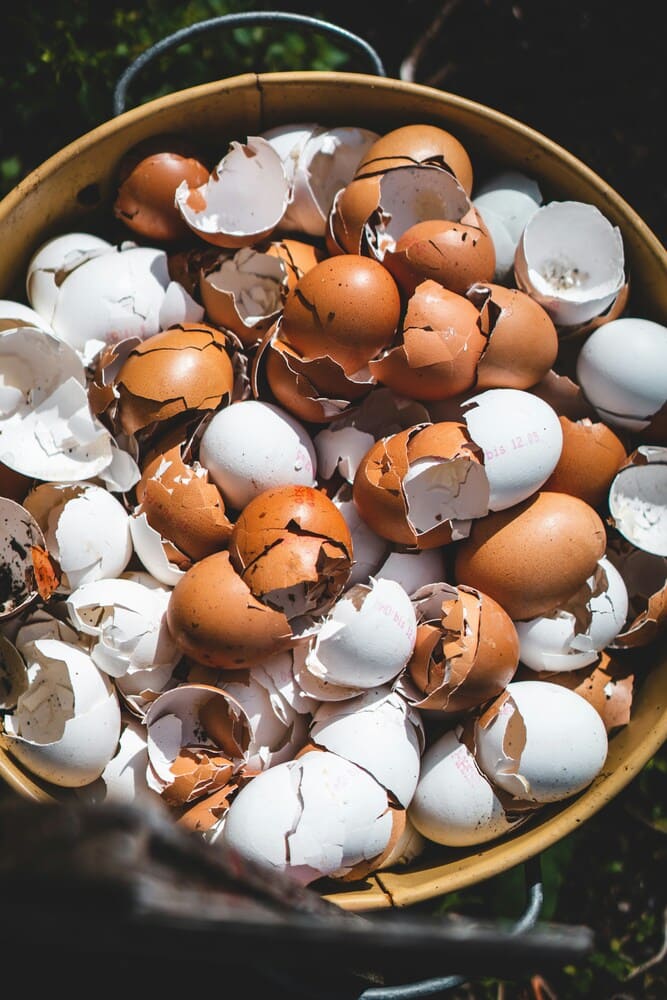
| Eggshells, quail eggshells, clam & crab shells | ❌ General Trash | High calcium/lime content unsuitable for feed |
| Peach, mango & avocado pits, pineapple rinds, nutshells | ❌ General Trash | Hard pits and tough outer shells |
| Dry onion & garlic skins, corn husks & cobs, green onion roots | ❌ General Trash | Tough fibers jam processing machinery |
| Tea bags, coffee grounds, chili pepper seeds | ❌ General Trash | Mixed materials and strong capsaicin content |
- ❄️ Check for Food Waste Disposers & The Freezer Trick: Many Korean accommodations now feature built-in sink grinders or countertop food waste disposers, so always check your host’s food waste instructions first. If there is no machine and you must take food waste outside yourself, we recommend the freezer storage trick to prevent bad odors and bugs in summer. Drain the moisture, seal the food waste bag inside a ziplock bag, and keep it frozen in a corner of the freezer until checkout for a clean, odor-free stay.
3. Recycling Rules: Clear PET Bottles & Takeout Containers
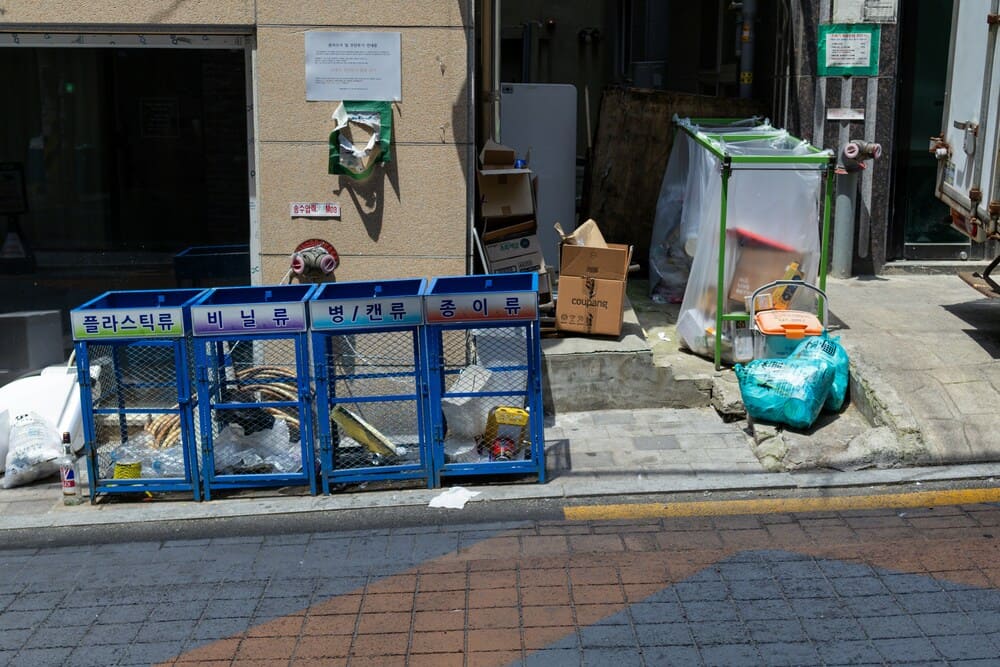
Recyclables (paper, plastic, cans, glass, and plastic film) can be disposed of free of charge. Place them in a clear, see-through plastic bag or sort them by category into your building’s designated recycling bins.
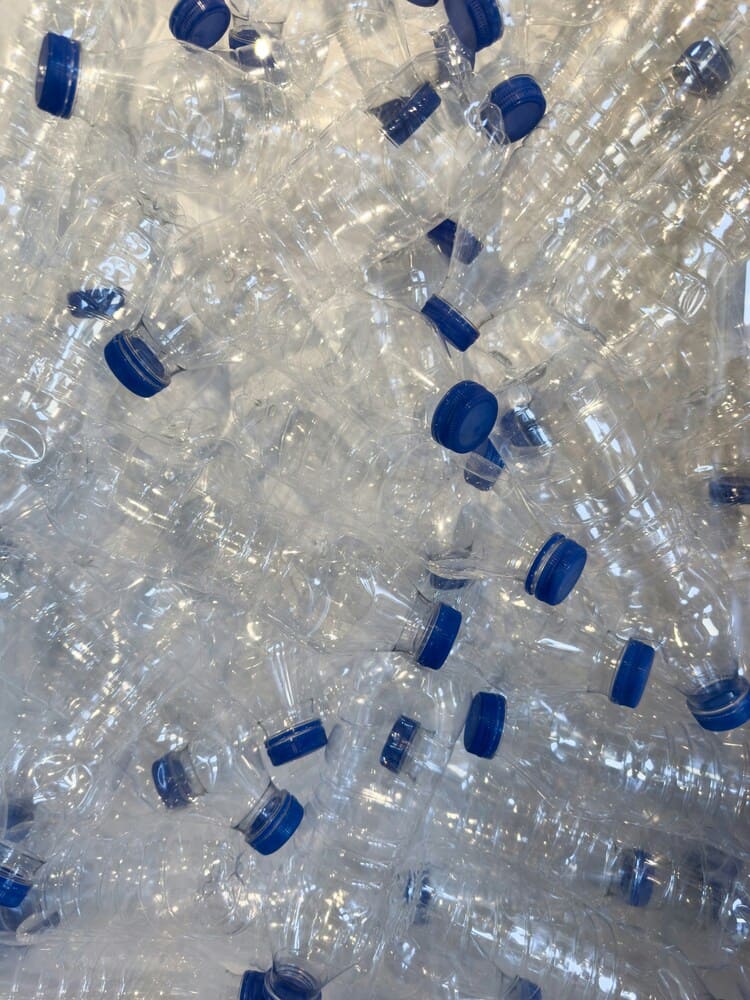
- 🍾 Separate Clear PET Bottles: Clear plastic water and beverage bottles must be separated from regular plastics. Empty the contents, peel off the plastic label, crush the bottle flat, screw the cap back on, and place it into the designated Clear PET Bottle bin.
- 🥡 Food Delivery Containers: Wash plastic takeout containers clean before placing them in the plastic recycling bin. However, containers stained with chili oil or sauces that won’t wash off, as well as grease-stained pizza box paper, cannot be recycled and must be thrown away in a general volume-rate trash bag.
- 📦 Cardboard Boxes & Plastic Film (Labeled as “Vinyl”): Peel off all packing tape and shipping labels from cardboard boxes and flatten them before disposal. Collect snack wrappers, ramen bags, and plastic bags separately as plastic film (often labeled as “Vinyl” on Korean bins).
4. Empty Soju & Beer Bottle Cash Refunds
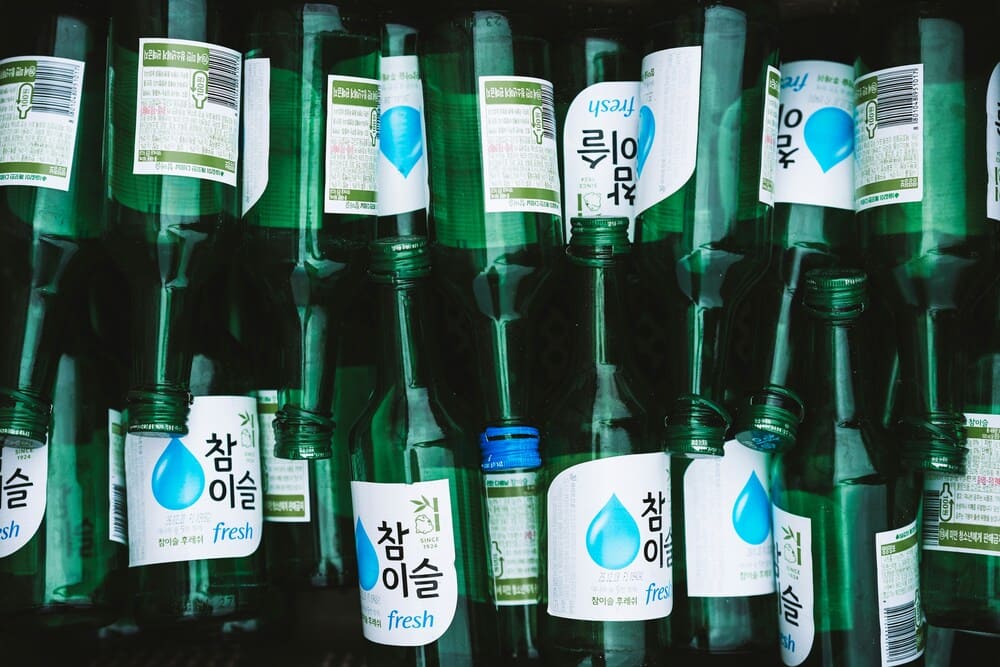
Don’t just throw away the Korean soju or beer glass bottles you drank at your accommodation—use Korea’s Empty Bottle Deposit Refund System to get cash back!
- 💰 100 KRW for Soju, 130 KRW for Beer Bottles: Domestic Korean soju bottles (360ml) return 100 KRW, and domestic glass beer bottles (500ml / 640ml) return 130 KRW. You can check the exact refund amount on the recycling mark printed on the back label of the bottle.
- 🏪 Get Cash at Convenience Stores & Supermarkets: Even if you didn’t buy the bottles there, you can bring empty bottles to any nearby convenience store (CU, GS25, 7-Eleven) or supermarket to receive cash on the spot without a receipt (up to 30 bottles per person per day).
- ⚠️ What to Check Before Returning: Chipped or broken bottles, or bottles containing cigarette butts, tissues, or other foreign objects inside, cannot be refunded. Remove the bottle cap and lightly empty the contents before bringing them in.
5. Disposal Hours & Accommodation Tips
Where and when you can take out the trash depends on the type of building you are staying in.
- 🏢 Apartments & Officetels vs. Villas & Houses: Apartments and studio officetels have dedicated indoor recycling stations and card-operated (RFID) food waste bins. In contrast, regular residential villas and houses require you to place trash in front of the building after sunset only on specific days designated by the district office.
- 📱 Check Your Host’s Instructions First: For short-term Airbnb stays, hosts often handle outdoor disposal themselves and instruct guests to “simply sort your trash by category inside by the front entrance.” Always check your host’s guide message right after check-in.
👉 Next UP: Now that you know how to use your accommodation like a local, it’s time to order late-night snacks to your room! Learn how to order fried chicken and late-night delivery—even without a Korean phone number—in [🔗 Part 26. Korea Food Delivery App Guide: Ordering Chimaek to Your Room].