If you are only staying in major cities like Seoul or Busan during your trip to Korea, we highly recommend using public transportation to avoid heavy traffic and parking nightmares. However, if you plan to explore smaller provincial towns that are hard to reach by public transit—such as Jeju Island, Gangwon-do, or the southern coast—renting a car can significantly elevate the quality of your trip.
In this post, we have compiled the essential information every traveler needs when renting a car in South Korea.
1. Booking a Car & Essential Documents
- 💻 Where to Book: We recommend booking directly through the ‘Official English Websites’ of major rental companies like Lotte Rent-a-Car and SK Rent-a-Car. Global travel platforms like Klook or Rentalcars.com are also excellent alternatives.
- 📄 Required Documents: An original paper International Driving Permit (IDP) + your home country driver’s license + your Passport + an overseas Credit Card in your name.
- 🔠 Exact Name Match Rule: Even if you prepaid online, you must go through a deposit approval and identity verification process on-site. The English spelling of your name on all documents and your credit card must match 100% to pick up the vehicle without issues.
2. Choosing a Rental Agency & Vehicle Type
- 🛡 Choose a Major Agency: Dealing with unexpected situations like accidents or car breakdowns on unfamiliar foreign roads is never easy. Even if it costs a bit more, we highly recommend using a major rental car agency (such as Lotte or SK) that provides reliable English customer support and insurance processing.
- 🚄 Pick-up Route: Trying to navigate through the extreme traffic jams and complex roads of downtown Seoul is highly inefficient. A much safer and more pleasant route is to arrive at a KTX train station or Jeju Airport and pick up your vehicle locally.
- ⚠️️ Warning on Car-Sharing: Street-side contactless car-sharing services like SOCAR are well-developed in Korea. However, we do not recommend them for tourists, as identity verification requires a Korean Alien Registration Card (ARC).
⛽ Choosing by Fuel Type
- 🚘 Gasoline: The safest and most stress-free option. It offers the least hassle when it comes to finding a gas station.
- 🚐 Diesel: Mostly used for 7 to 9-seater minivans (e.g., Hyundai Staria, Kia Carnival). Ideal for large groups and heavy luggage.
- 🛢 LPG (Liquid Petroleum Gas): Fuel costs are much cheaper than gasoline, but LPG filling stations are relatively hard to find. In the past, the gas tank took up 30-40% of the trunk space, but newer models have improved this by hiding the tank under the trunk floor.
- ⚡ Electric Vehicle (EV): A good option for those used to driving internal combustion engine cars who want a new experience, but charging stations can be hard to find and charging takes time. If your booked hotel/resort parking lot has chargers, it’s a great choice; otherwise, we recommend a different fuel type.
3. Car Pick-up Checklist
- 📱 Record the Exterior: Take a continuous 360-degree video of the car’s exterior with your smartphone (pay special attention to the wheels and scratches on the bottom of the front and rear bumpers).
- 📸 Photograph the Dashboard: With the engine turned on, take a picture of the fuel gauge and the accumulated mileage (odometer) to prevent disputes upon return.
- 💧 Confirm Fuel Type: Double-check the vehicle’s fuel type(Gasoline/Diesel/LPG) with the on-site staff before departure.
4. Precautions for City Driving
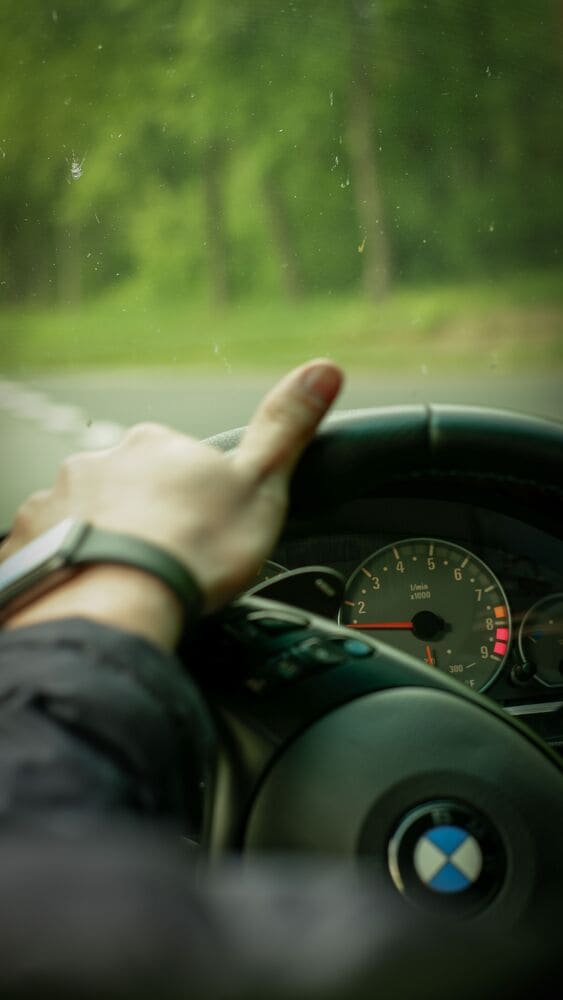
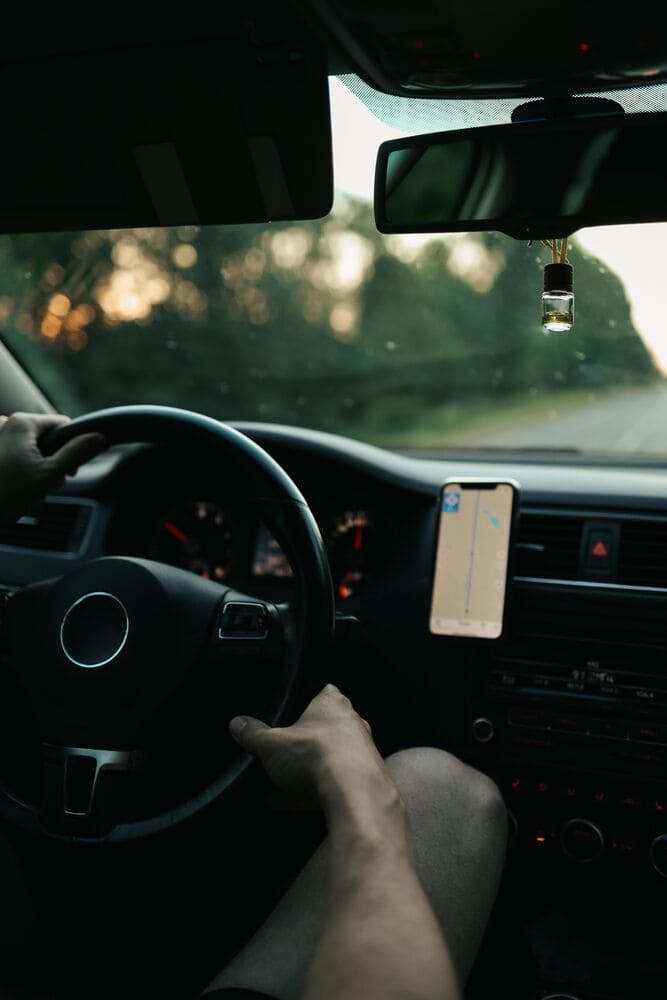
- 🗺 Follow the Navigation Route: On unfamiliar roads, it is difficult to clearly determine one-way streets or U-turn locations. Turn on Naver Map instead of Google Maps, and even if the road seems confusing, it is highly recommended to follow the route guided by the navigation app exactly.
- 🚥 Horizontal Traffic Lights: Traffic lights in Korea are mostly arranged horizontally, from left to right: ‘Red (Stop) – Yellow (Caution) – Green Arrow (Left Turn) – Green (Straight)’. The number of lights may vary depending on the intersection, but the meaning of each light remains the same, so please familiarize yourself with them.
💡 Tip (Understanding Signal Combinations): Round lights control straight traffic, while arrows control left turns.
- 🛑+⬅ Red Light + Left Green Arrow: Stop for straight traffic, proceed for the left turn. (This is the signal that confuses foreigners the most. Don’t worry about the cars behind you and turn left with confidence).
- 🟢+⬅ Green Light + Left Green Arrow: Both straight and left turns are allowed.
- 🟢 Green Light Only: Only straight traffic is allowed (No left turn if there is no arrow).
- 🛑 Red Light Only: All lanes must stop.
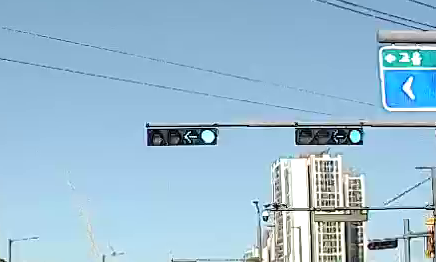
- ⬅️ Unprotected Left Turn: This is a section where you can turn left when there are no oncoming vehicles from the opposite side. You can only enter when the straight signal is ‘Green’. If your judgment is uncertain, we recommend waiting for the ‘Left Turn Arrow’ signal if available.
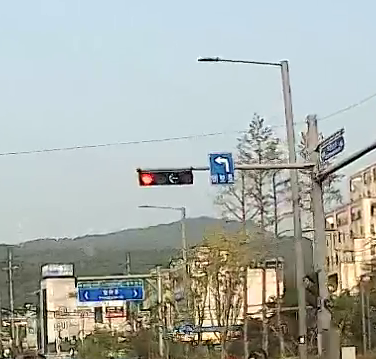
- 🛑 Complete Stop on Right Turns: When facing a red light ahead, you must make a ‘Complete Stop’ right before the crosswalk stop line (wheels 100% stopped). Check for pedestrians on both sides before proceeding.
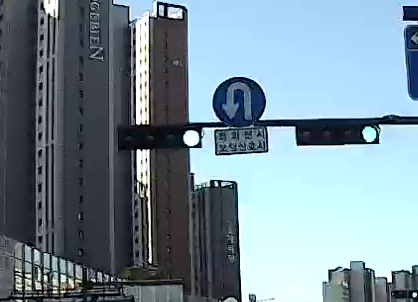
- 🔄 How to U-Turn: There are generally two conditions to make a legal U-turn in Korea: when the ‘Left Turn Arrow signal is on’, or when the ‘pedestrian crosswalk signal right in front of you turns green’. You can safely turn when either of these two signals is active.
- 🚸 Speed Cameras & School Zones: The navigation app will warn you about speed cameras and speed bumps. In particular, School Zones (marked with yellow signs) are strictly limited to 30 km/h unlike other roads, so make good use of your navigation alerts.
- ⭕ Roundabouts: Vehicles already circulating inside the roundabout have the right of way. Wait for the circulating vehicles to pass before entering.
5. Precautions for Highway Driving
- 🛤 Exit Tips (Using Color Guiding Lines): When your highway exit approaches, calmly move to the far-right lane in advance. Your navigation will guide you by voice and screen on which color lane to take; simply follow the matching colored guiding line (usually pink or green) painted on the road surface.
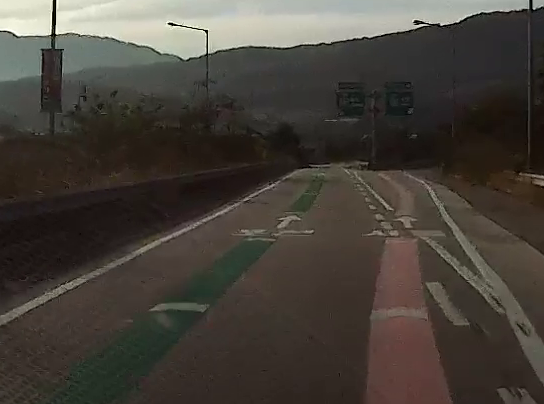
- 💳 No Panic at Tollgates: Even if you accidentally enter the blue guiding line (Hi-Pass) or a regular cash lane by mistake, reversing is strictly prohibited on the highway. Do not stop or panic; just drive straight through. You can settle the unpaid toll with the rental car company when you return the vehicle.
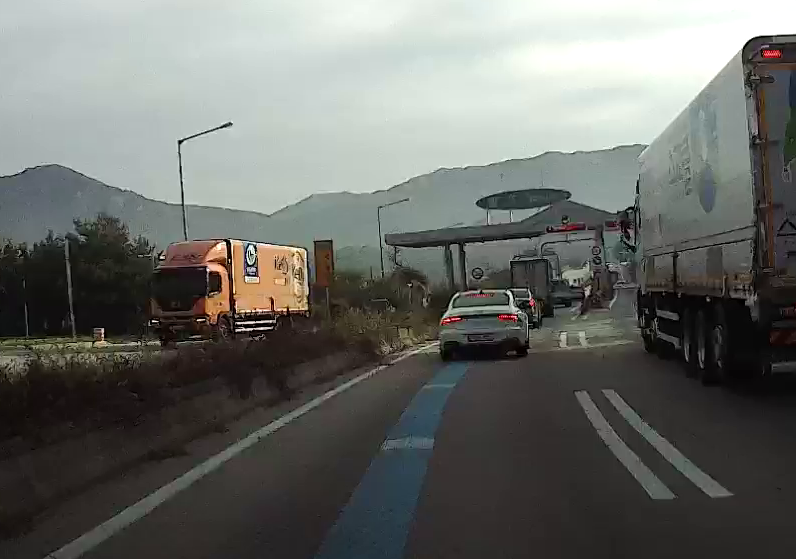
- 🚌 Lane 1 Blue Line (Bus-Only Lane): Do not confuse this with the exit guiding lines. If the lane divider for the 1st lane (the leftmost lane) is painted as a ‘blue line’ instead of white, it is a dedicated bus lane. Regular passenger cars (rental cars) will be fined if they enter, so be careful not to drive in the 1st lane here.
💡 Tip: If you rent a minivan with 9 or more seats (Carnival, Staria, etc.) and there are 6 or more people riding in the vehicle, you are legally allowed to use the bus-only lane. If there are 5 or fewer people, entry is prohibited. (However, regular vehicles can use it during late-night hours when enforcement ends).
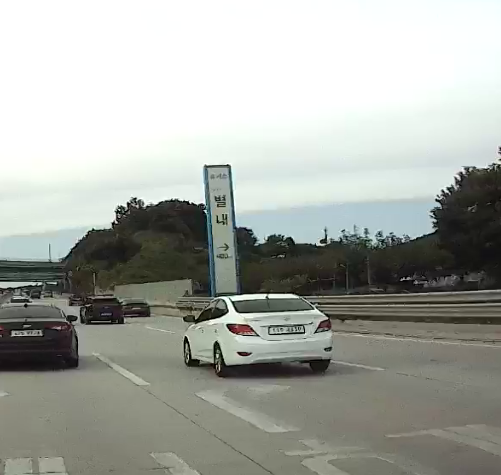
- ☕ Highway Rest Areas: There are rest areas located at intervals along the highway. Make active use of them when you need a restroom, a meal, or a break during a long drive.
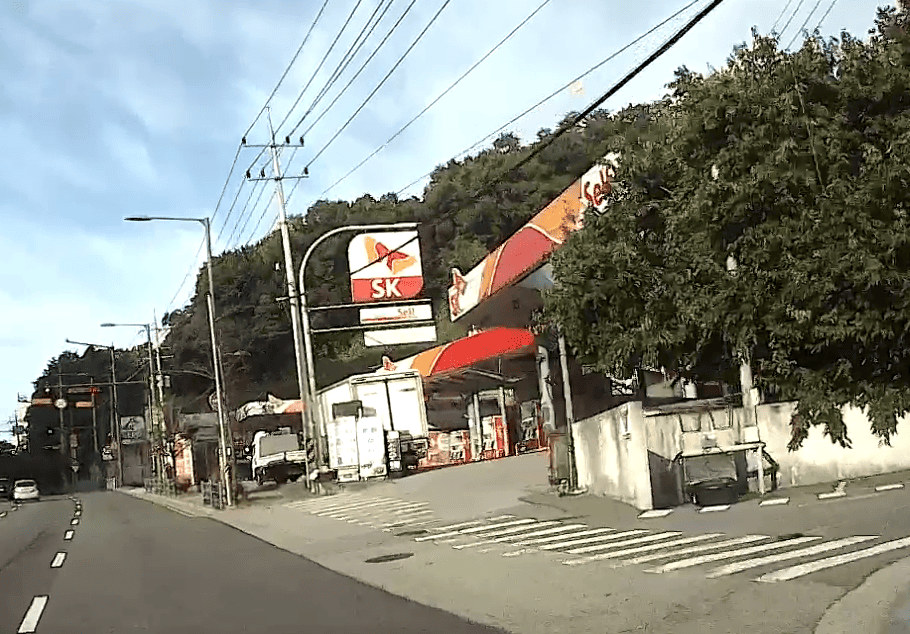
6. Tips for Gas Stations
- ❌ Avoid Self-Service Gas Stations: While they have the advantage of being cheaper, the machines often do not support English. We do not recommend them because it is hard to get help from staff if you get confused with the controls or encounter a payment error.
- 💁 Use Full-Service Gas Stations: We highly recommend these because the staff pumps the gas for you, eliminating the worry of a ‘misfueling accident’ (putting in the wrong type of fuel). You can ask for a specific amount of money or just say “Full.” Feel free to use a smartphone translator app when communication is needed.
👉 Next UP: Are you ready to freely roam the beautiful provincial towns of Korea in your rental car? After enjoying a wonderful drive, it’s time to properly taste delicious local food! In the next episode, [Part 19. Ultimate Korean Restaurant Guide: Ordering, Table Setting, Payment, Restrooms], we will reveal practical tips so you won’t panic in Korean restaurants from table call bells, cutlery drawers, and the free side dish refill culture to kiosk ordering and bill-splitting tricks.