The very first step in planning your trip is ‘choosing your dates.’ South Korea has four distinct seasons, meaning the atmosphere, what you should pack, and your budget will change entirely depending on when you visit.
Before you book your flights, let’s break down the golden seasons for visiting Korea and the ‘real’ hidden peak seasons that many foreign tourists don’t know about!
1. The Most Romantic Seasons: Spring (Mar-May) & Autumn (Sep-Nov)
If you want to experience Korea’s most beautiful scenery and pleasant weather, the mild spring and autumn are absolutely the right answers.
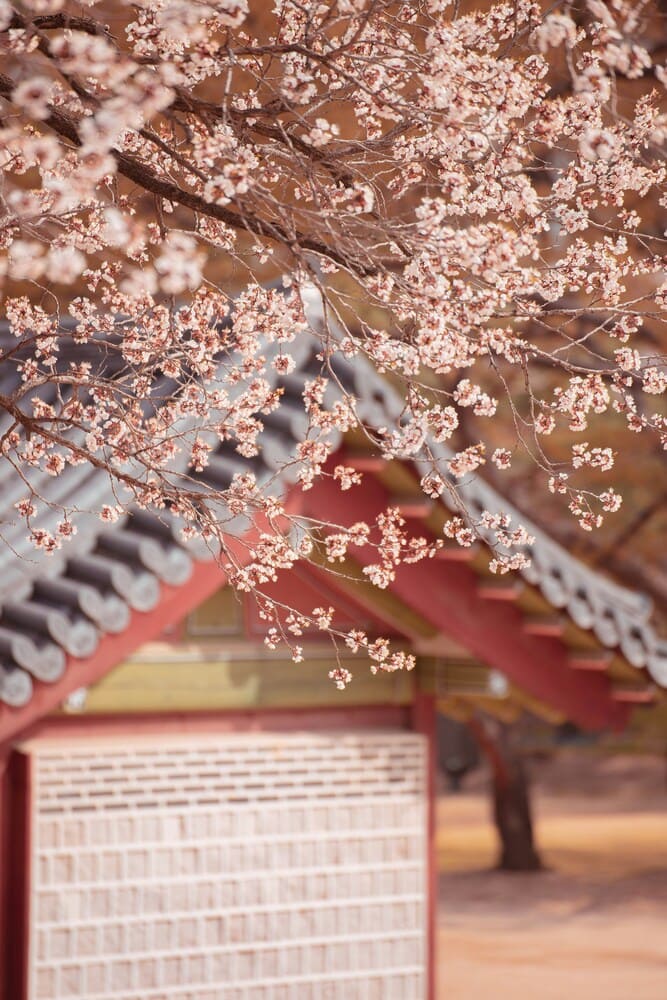
- 🌸 Spring (March – May): By early April, the whole country is covered in gorgeous pale-pink cherry blossoms, accompanied by warm, gentle weather.
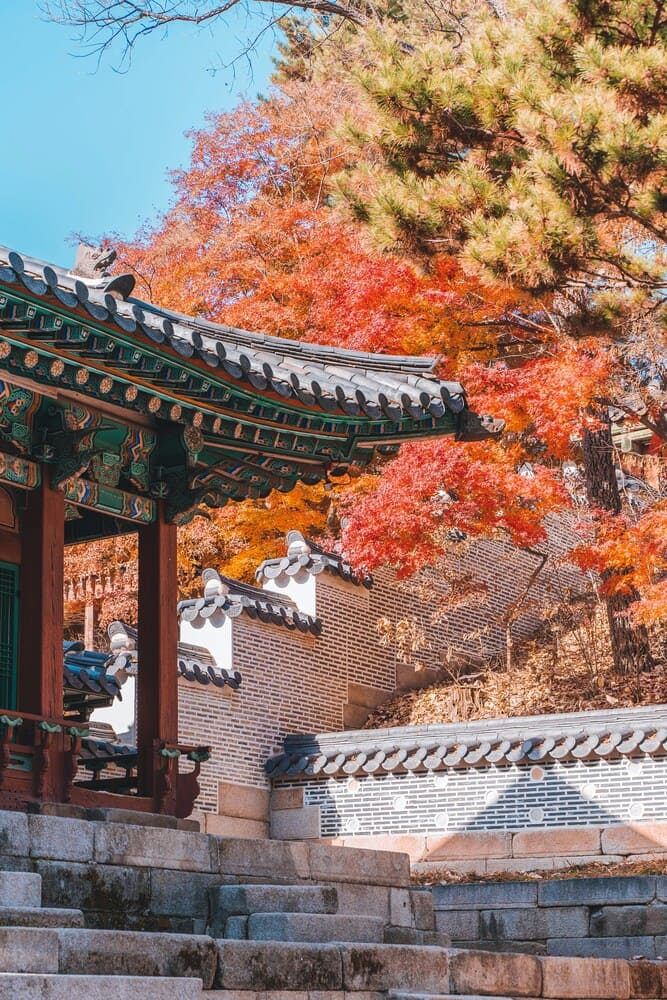
- 🍂 Autumn (September – November): From mid-October to early November, the vibrant red and yellow maple leaves under a clear blue sky create a spectacular view.
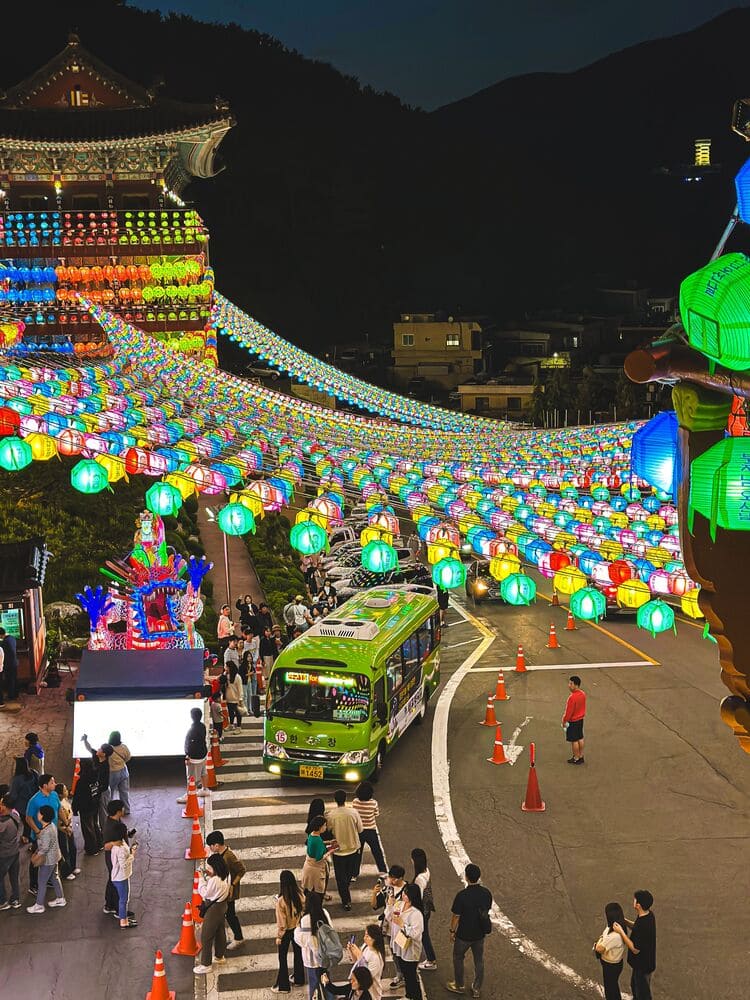
- 🏮 Local Festivals & Crowds (Pros & Cons): Brilliant flower festivals and cultural events take place all over the country—like in Yeouido, Gyeongbokgung, and Namsan—allowing you to soak in the lively local vibe. However, famous spots will be packed with huge crowds, so plan according to your preference: either enjoy the bustling festival atmosphere or seek out quieter, off-the-beaten-path locations.
2. Worst Weather, Biggest Crowds? The ‘Extreme Peak’ Summer & Winter
These are the seasons that surprise foreign tourists the most, but they require the most caution.
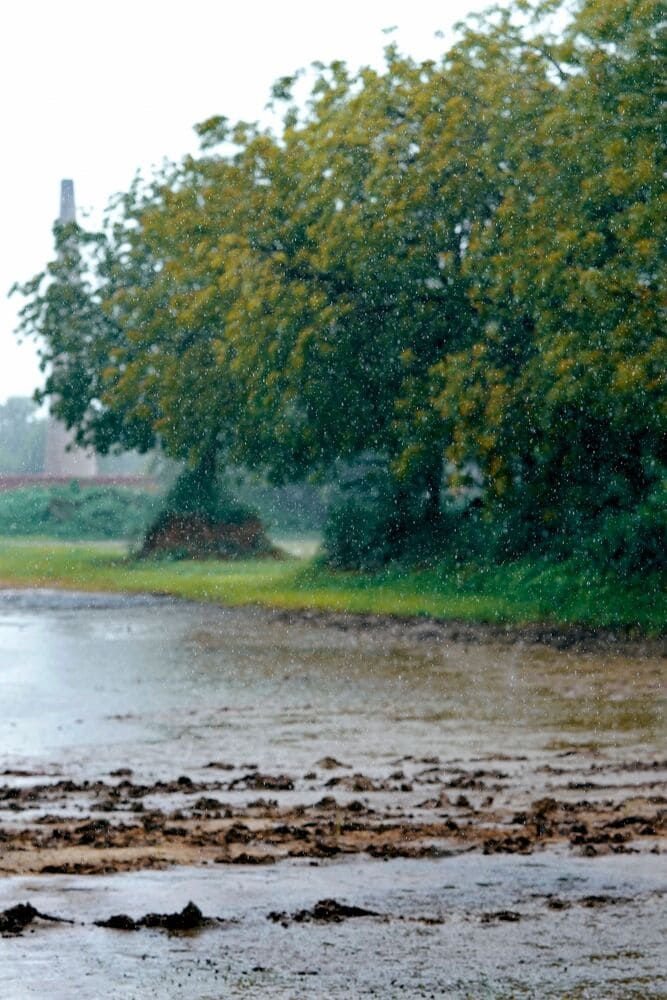
- ☔ Summer (July – August): It’s suffocatingly hot and humid, and heavy torrential rains pour down during the monsoon season, sometimes massive enough to cause partial city flooding.
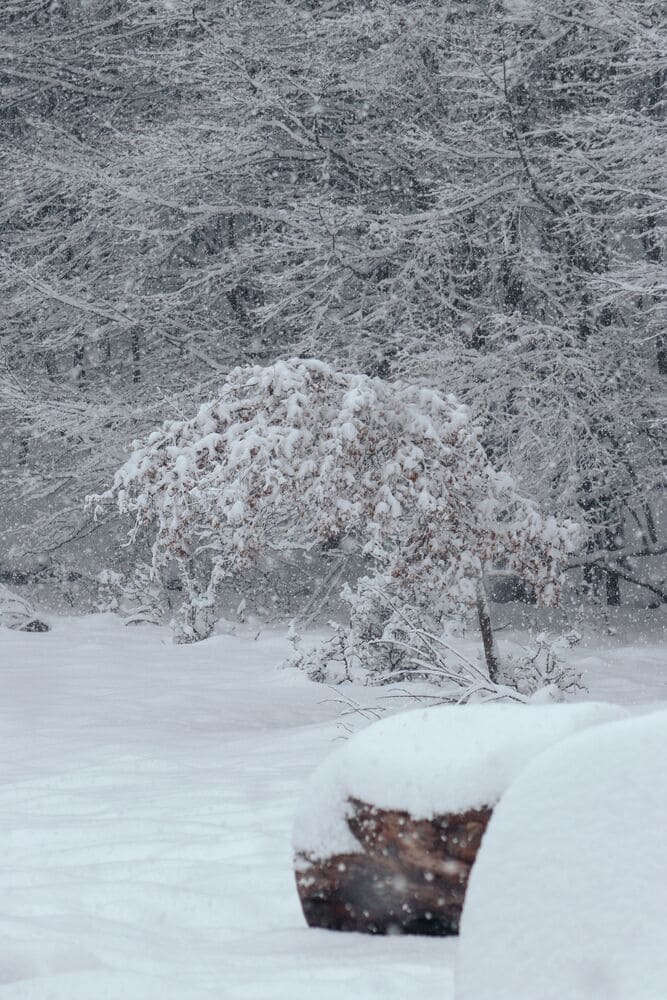
- ⛄ Winter (December – February): Biting cold winds hit the country with temperatures dropping below -10°C (14°F), and massive snowstorms can sometimes paralyze traffic completely and cause flight cancellations.
Despite the weather being tough for outdoor activities, why are these seasons the most expensive and crowded times in Korea?
- 🎒 The Reason is ‘Vacations’: Elementary, middle, high schools, and universities go on a long 1.5 to 2-month break. Combined with parents taking time off work, major tourist spots nationwide are packed with domestic travelers, causing accommodation and flight prices to skyrocket to their highest of the year.
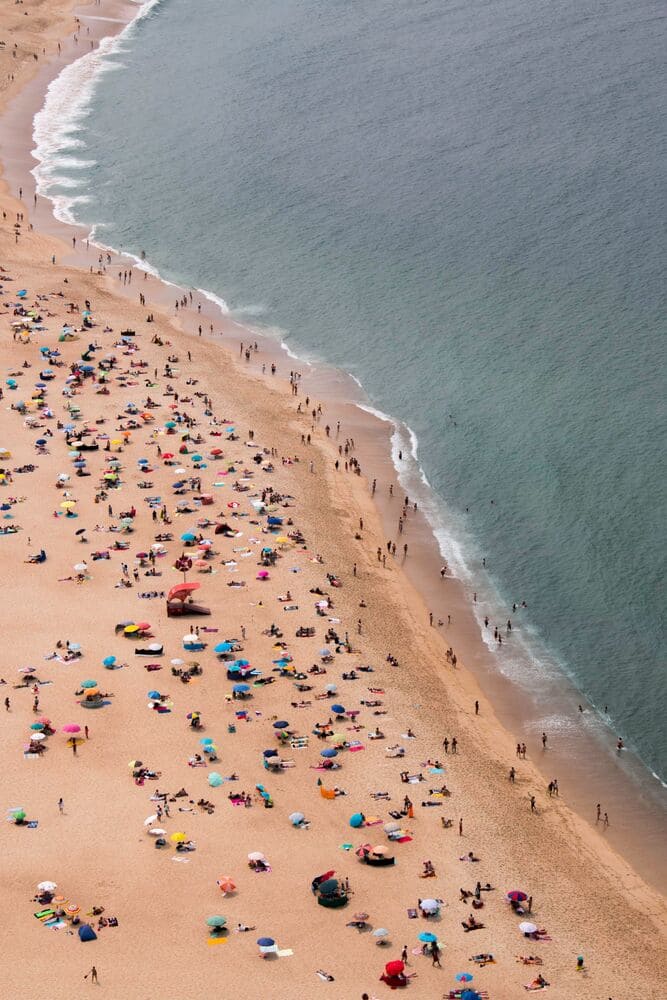
- 💸 Key Takeaway: Unless you have a specific theme like a summer beach vacation or a winter ski resort trip, it is highly recommended to avoid these periods to save both your energy and your budget.
3. Intercity Hell, Seoul Heaven? The 2 Major Holidays (Seollal & Chuseok)
Korea’s biggest national holidays, Seollal (Lunar New Year, usually Jan-Feb) and Chuseok (Korean Thanksgiving, usually Sep-Oct), are unique periods where a foreign traveler’s experience can completely flip depending on ‘where you stay.‘
- 🚄 Planning to travel between cities? (Strongly Not Recommended): If you plan to travel from Seoul to other regions like Busan or Jeonju, you must avoid these dates. KTX train tickets sell out the second they open, and highways suffer from extreme traffic jams, making travel time 2-3 times longer than usual.
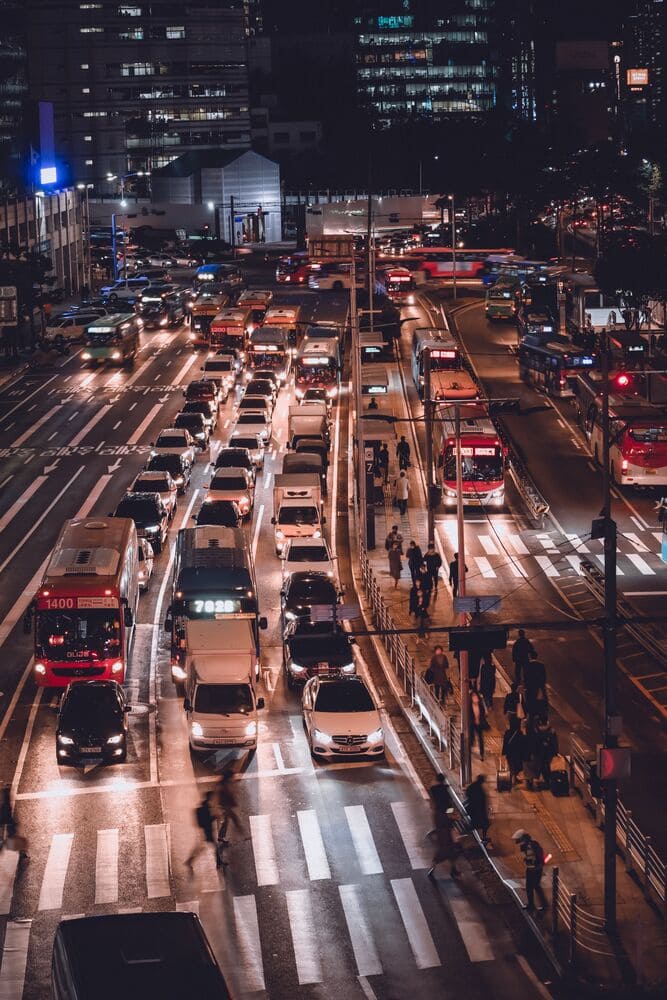
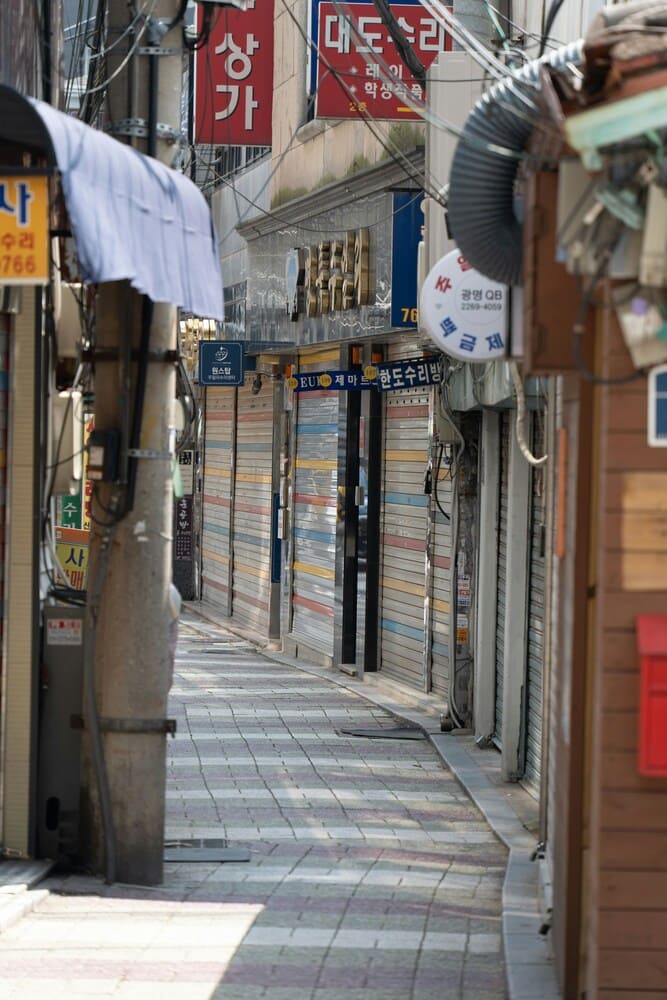
- 🏪 Is your goal exploring local restaurants? (Caution): Because restaurant and shop owners travel to their hometowns, countless local eateries and independent shops in Seoul pull down their shutters and close for the holidays.
💡 The Ultimate Tip to Enjoy Seoul 100% During Holidays
Holidays are a time of mass migration when countless Seoul residents leave the city to visit their hometowns. If you use this to your advantage and plan an ‘itinerary staying solely in downtown Seoul,’ it can actually be a fascinating opportunity to comfortably experience Korean traditional culture in a much quieter city!
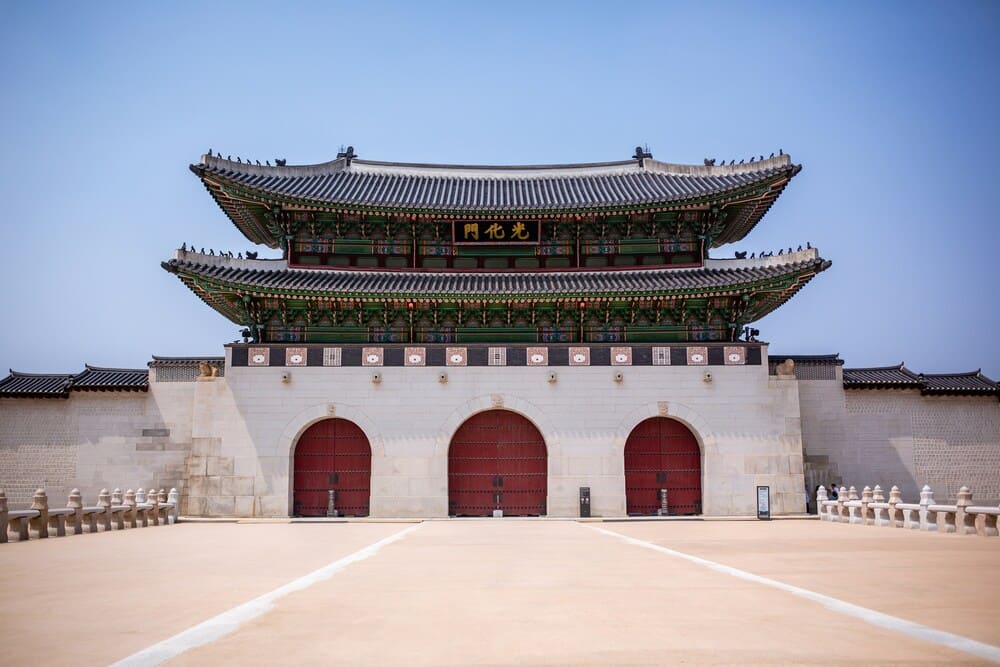
- 👜Sightseeing: Major palaces like Gyeongbokgung and Changdeokgung offer free entry during the holidays and host special events and traditional games, allowing you to enjoy a lively holiday atmosphere.
- 💳 Dining & Shopping: Instead of closed local alley shops, major department stores, huge shopping malls (like COEX or Starfield), and franchise restaurants usually operate normally and run various events, so make full use of them!
👉 Next UP: Now that you’ve decided on the best time for your trip, it’s time to book your flight like a pro! In our next post, [🔗Part 1. Flight Booking Hacks: ICN vs. GMP & How to Use Busan (PUS)], we’ll explore insider tips to save time and money. If you have any questions, feel free to leave a comment below!