
Now that you’ve booked the right train and secured the best seats using our tips in [🔗 Part 12. Korea Train Travel Prep: Choosing Trains & Booking Tips], it’s time to board! In this guide, we’ll walk you through Korea’s unique boarding system—which often confuses first-time visitors—and share local hacks for storing large luggage.
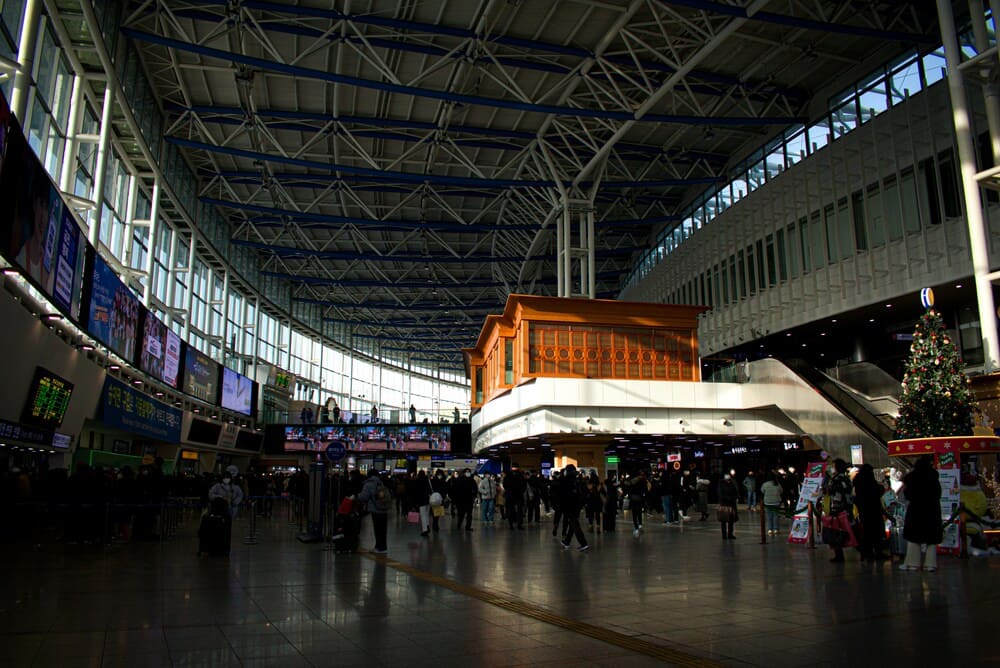
1. Confirmed 15 Mins Prior: How to Check Your Track
Unlike airplanes, train platforms (tracks) in Korea are not assigned well in advance. The departure track is usually confirmed just 15 minutes before departure. Depending on how you booked your ticket, here is how you can find your track:
- 📱 Official App (Korail Talk) Users: No need to wander around the station. You can check your track number in real-time directly on your mobile ticket screen, starting 15 minutes before departure.
- 🌐 Global Agency Users: Third-party e-tickets do not display the track number. Therefore, you must manually check the large Information Boards (Departure Boards) located in the center of the station’s waiting concourse on the day of travel.
- 👀 How to Quickly Spot Your Train: Don’t look for your destination first! Since departure boards list intermediate stops and multiple trains leave at similar times, it can get confusing. The fastest and most accurate way is to match the unique Train Number (e.g., KTX 123) printed on your ticket.
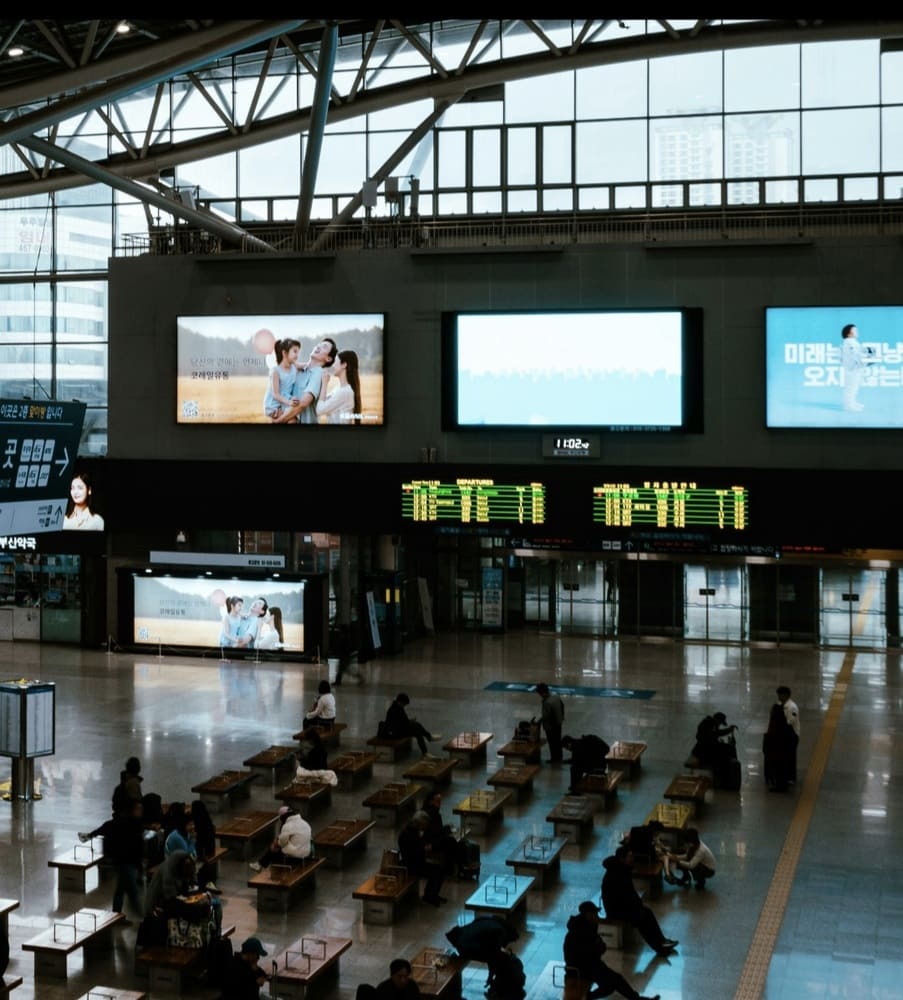
2. The Biggest Culture Shock: “There Are No Ticket Gates!”
After checking the track number, the most common question from foreign tourists is, “Where do I scan my ticket?“
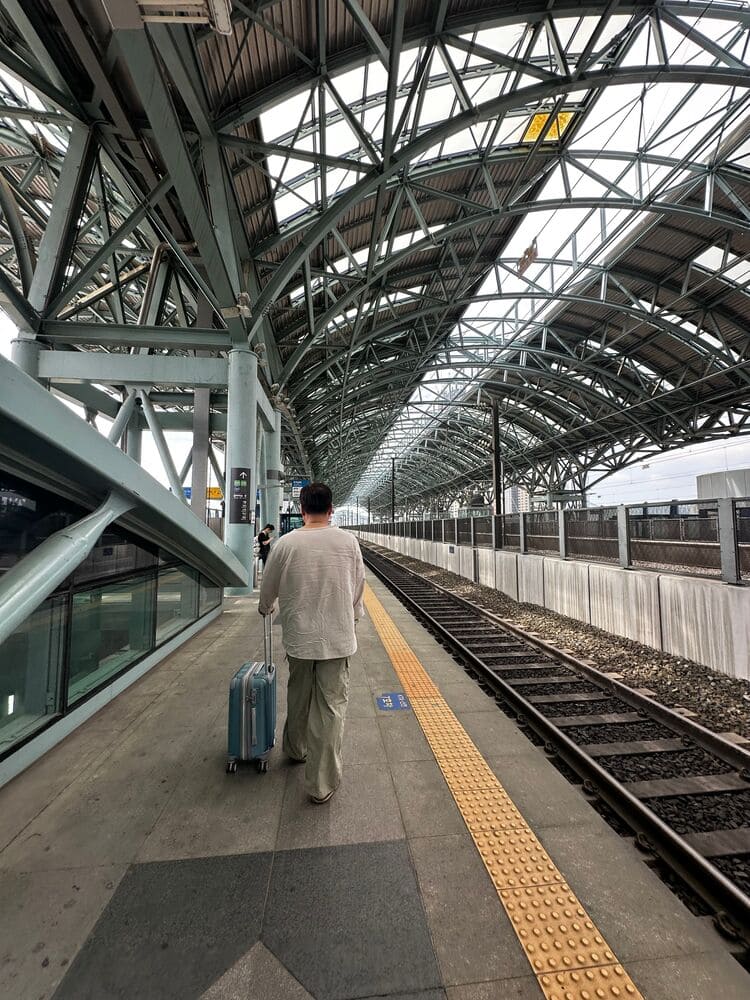
- 🚶 No Physical Gates: Korean train stations do not have physical turnstiles or ticket gates like subways do. Once you know your track number, simply walk straight down to the platform and board the train. You don’t need to show your ticket to anyone.
- 📱 Smart Onboard Ticketing: In Korea, ticket inspections happen ‘inside the train’ after departure, not at the station. Train attendants walk through the cabins with a PDA device that shows real-time seat reservations.
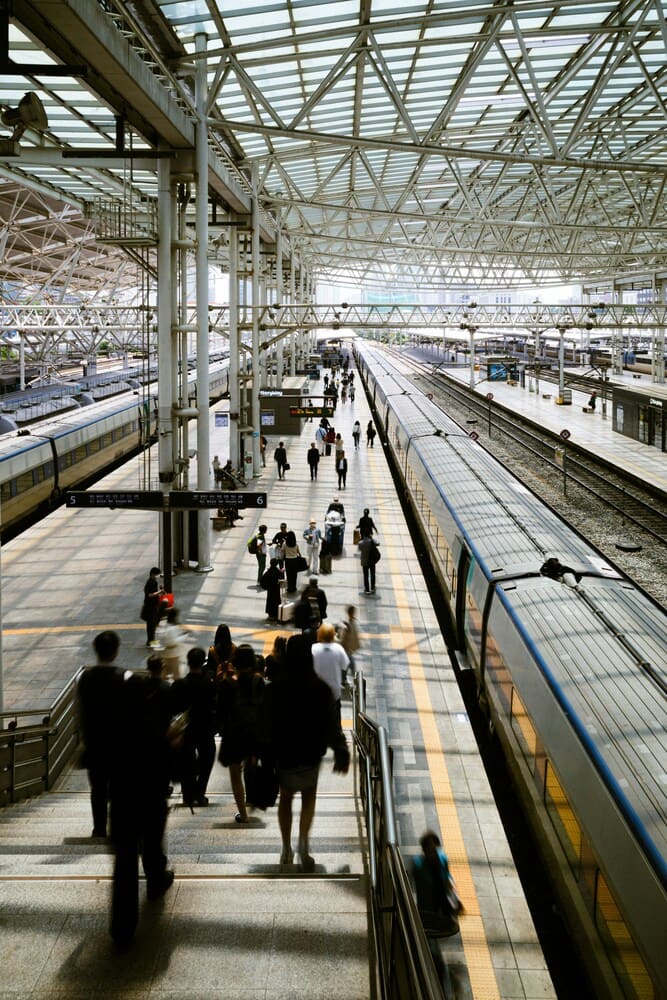
💡 The Korean Smart Inspection Rule
Attendants do not check every single passenger’s ticket. They only check passengers standing in the passageways or those sitting in seats that are supposed to be empty in their system. As long as you are sitting in your correctly assigned seat, no one will ask for your ticket. You can enjoy a comfortable, uninterrupted ride from start to finish!
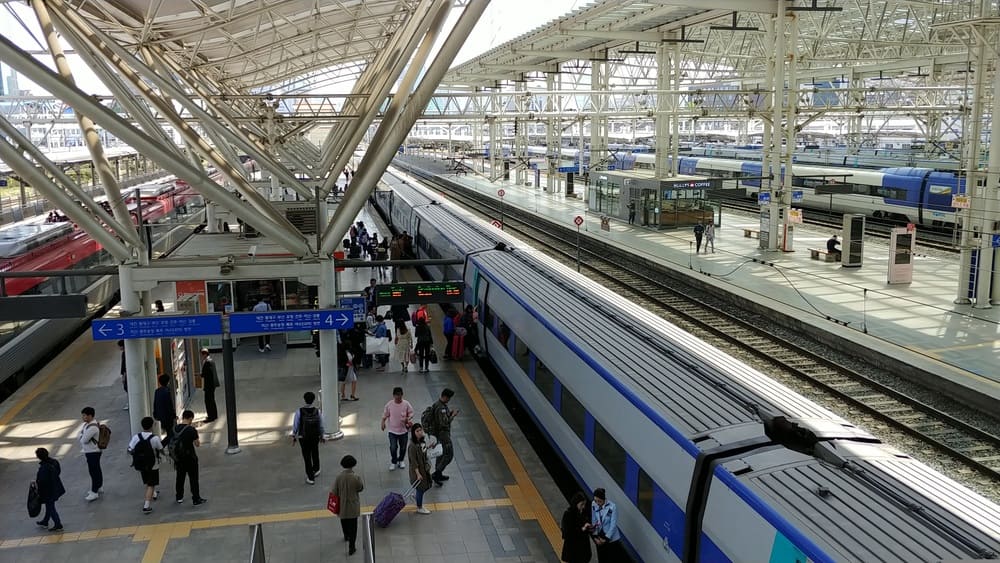
3. Finding the Closest Door: Check Your ‘Car Number’
Once you safely make it down to the platform, you need to find where your specific train car will stop.
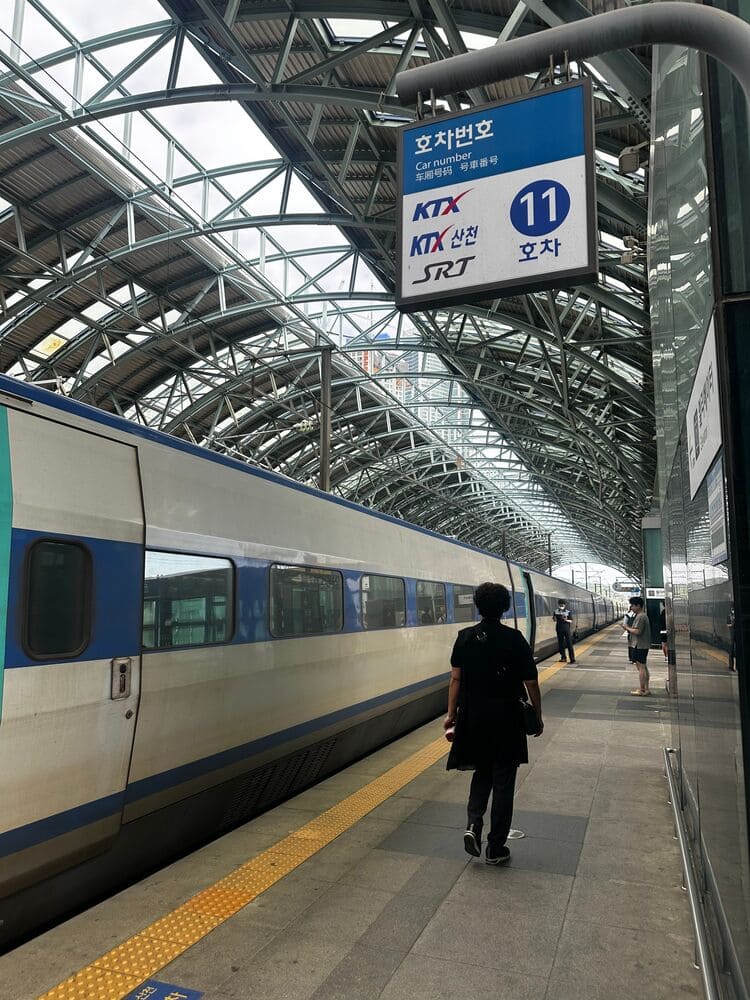
- 🔢 Check the Floor and Signs: Look at the platform floor, screen doors, or overhead digital signs for numbers like Car 1, Car 2, etc. Find the ‘Car Number’ indicated on your ticket and line up there in advance.
- 🚨 Warning for KTX-Sancheon Passengers: On a standard train, you can walk through the internal corridors to move between cars after boarding. However, if two KTX-Sancheon trains are connected (e.g., Cars 1~8 attached to Cars 11~18), the passageway connecting the two trains is completely blocked off. If you board the wrong half, you won’t be able to reach your seat until the train stops at the next station. Always find your exact car number on the platform before stepping inside!
4. Traveling with Heavy Bags? Luggage Storage Hacks
Unlike airplanes, Korean trains do not have a ‘checked baggage’ system. You must carry and store your luggage yourself. Here are some local tips to handle your suitcases smoothly.
- 🎒 Carry-ons go in the Overhead Bins: Small suitcases (20 inches or smaller) and backpacks can easily fit in the overhead bins directly above your seat.
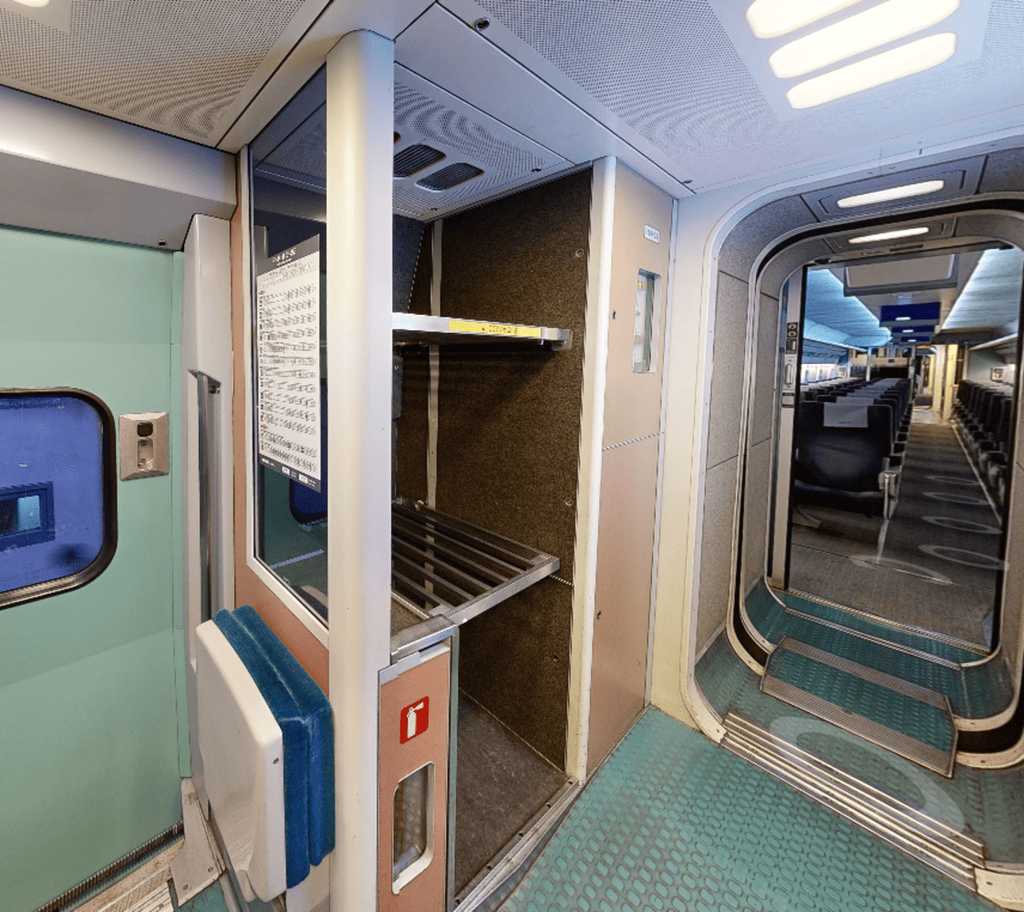
- 🧳 Large Luggage Racks: KTX and SRT trains have dedicated luggage racks located in the passageways between cars. However, this space is strictly first-come, first-served. Make sure to secure a spot for your luggage before you sit down.
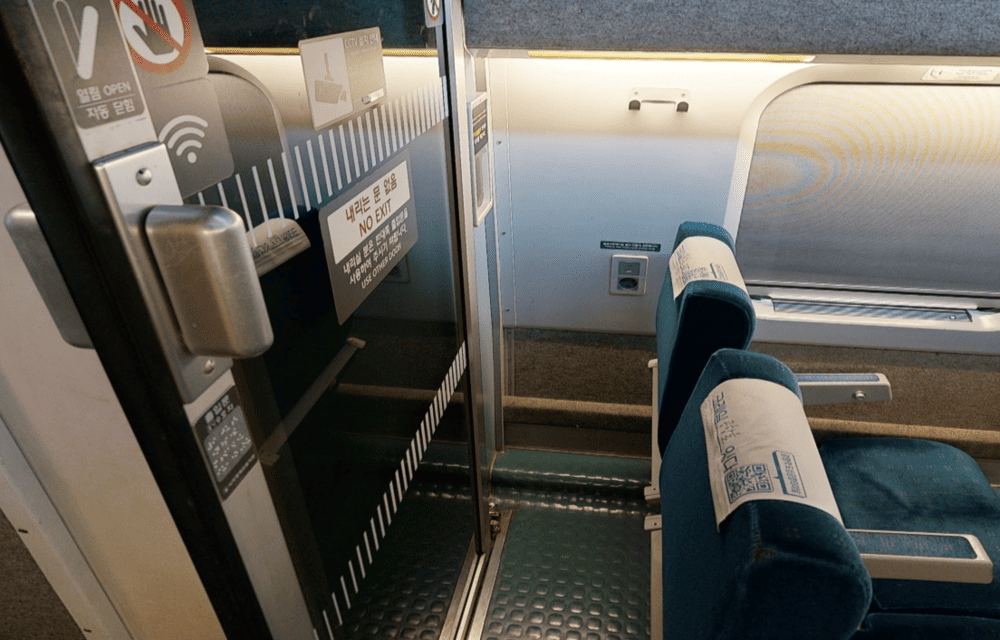
- 💺 The ‘Last Row’ Hack for Mid-Route Boarding: If you board at a starting station like Seoul or Yongsan, finding rack space is easy. But if you board at an intermediate station, the racks will likely be full. If you have large suitcases, try booking the ‘Last Row’ of any car. There is a generous gap between the back of the last seats and the cabin wall, which is perfect for sliding in large luggage!
5. Act Like a Local: Train Etiquette & Alighting Tips
From boarding to arriving, here are essential tips and unwritten rules that Koreans naturally follow.
- 🚶 Let Passengers Off First!: Train doors are quite narrow, usually only wide enough for one adult. Boarding before alighting passengers have exited creates a massive bottleneck. Always wait until everyone has stepped off before you board.
- 📞 Keep the Cabin Quiet, Calls in the Passageway: The inside of the train cabin is generally kept very quiet to ensure a peaceful ride for everyone. If you need to make a phone call or have a long conversation with your group, please step out into the passageway between the cars.
- 💺 Recline with Consideration: When reclining your seat, take a quick glance behind you to check the passenger’s space and ensure there are no hot drinks on their tray table, then recline slowly.
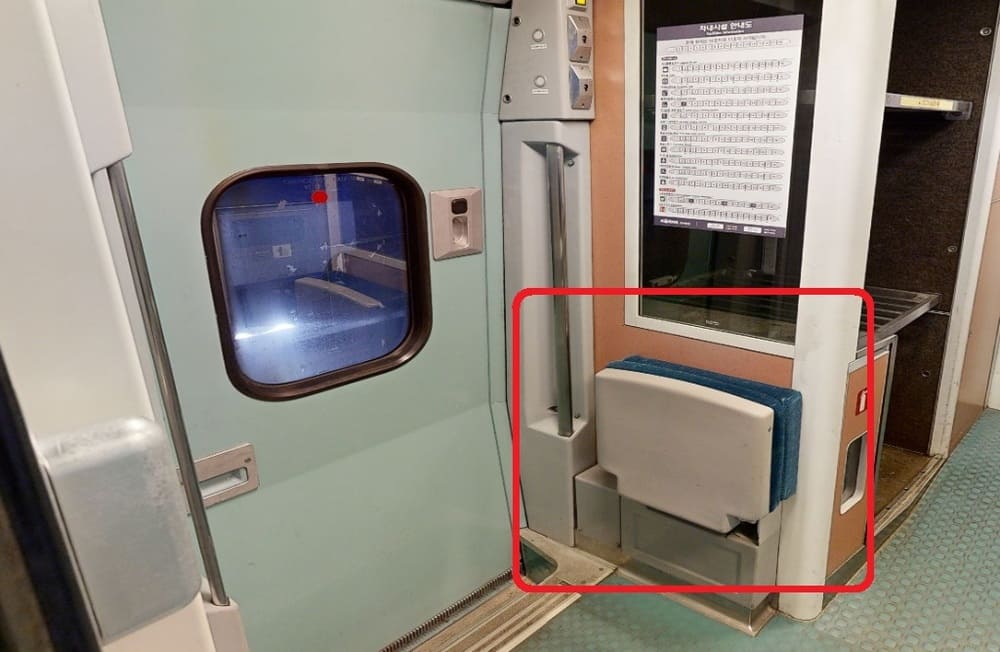
- 🪑 ‘Jump Seats’ for Standing Passengers: If you couldn’t get a regular seat during a busy weekend or holiday and had to buy a ‘Standing Ticket,’ look for the fold-down jump seats located in the passageways between cars. These are first-come, first-served and very limited in quantity, so claim one as soon as you board!
- 🍱 Light Snacks Only: You are free to bring outside food onto the train. However, we recommend sticking to light snacks like sandwiches, coffee, and gimbap, rather than meals with strong odors.
- 📺 Check Arrival via Ceiling Monitors: TV monitors hanging from the ceiling at both ends of the cabin display the upcoming stops and arrival announcements (including in English). Keep an eye on them so you don’t miss your stop.
- 📱 Real-Time Tracking via Official App: If you booked via the official Korail Talk app, you can track your train’s real-time location and estimated time of arrival perfectly, giving you plenty of time to pack up and prepare to alight.
👉 Next UP: Have you safely arrived in Busan (or your chosen destination)? In our next guide, [🔗 Part 14. Korea Express Bus Guide: From Booking to Boarding at the Terminal], we’ll show you the most comfortable and stress-free ways to get from the train station straight to your hotel!