
📍 Before You Start: Ride the Bus Naturally Like a Local
Have you perfectly mastered the payment system and transfer rules? If you are not yet familiar with the Korean bus boarding system and transit card usage, we highly recommend checking out [🔗 Part 7. Seoul Bus Guide: System & Transfer Rules] first!
Once you have mastered the basic rules, it is time to actually hop on the bus. Korean buses are incredibly fast and efficient, but that means there are unique boarding flows and etiquette that passengers should follow. Here is a practical boarding guide you should know to avoid unnecessary misunderstandings or boarding denials during your trip.
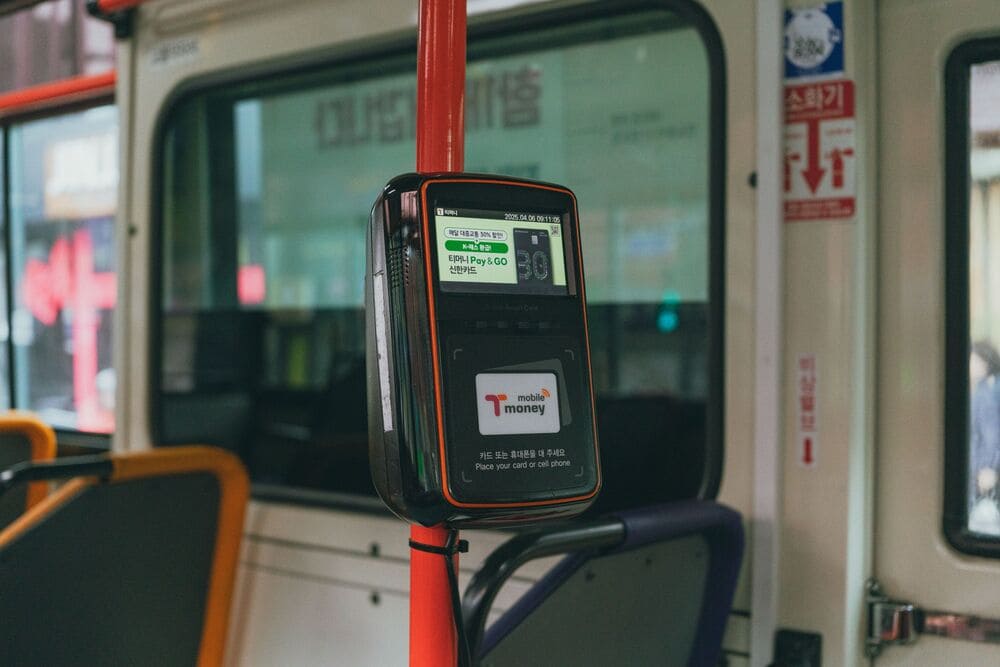
1. Basic Boarding Flow & Large Luggage (Boarding Flow & Luggage
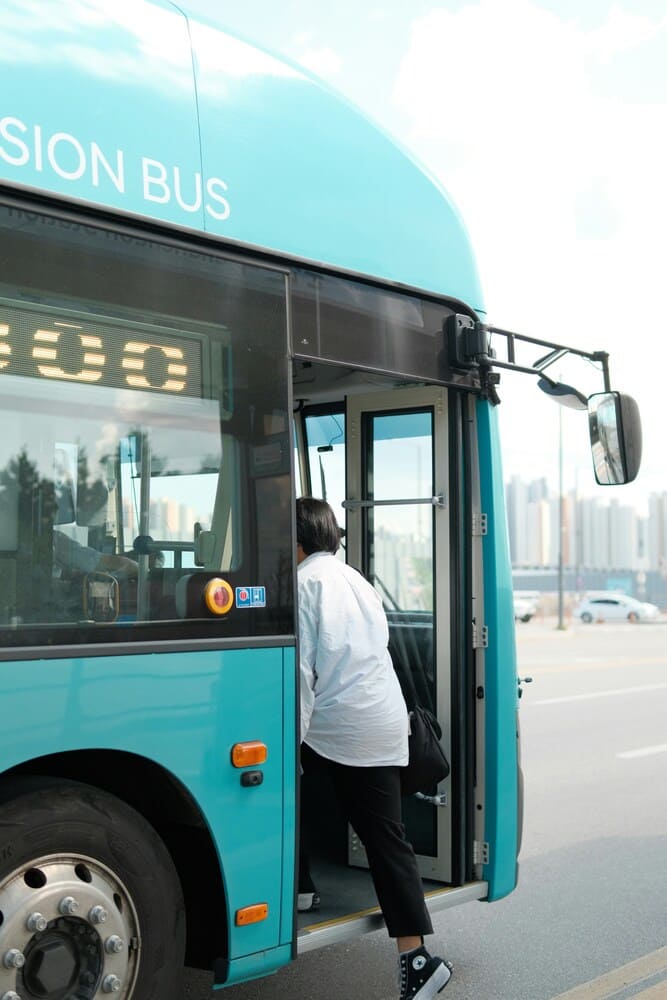
- 🚪 Board through the front, exit through the back: The basic rule is to board through the ‘front door’ (next to the driver) to pay your fare, and use the ‘back door’ when getting off.
- 🚐 Single-door buses: However, there are exceptions where buses only have one door. In this case, simply wait for all passengers to exit before boarding. This mostly applies to red rapid transit buses and small village buses. Please note that the door on red buses is at the front, while on village buses, it is in the middle.
- 🧳 Large Luggage Warning: If you board with a large travel suitcase, it will block the narrow aisle, and the driver may deny your boarding. If you have a lot of luggage, we recommend using the subway or the Airport Limousine bus.
🚨 Avoid the Rush Hour!
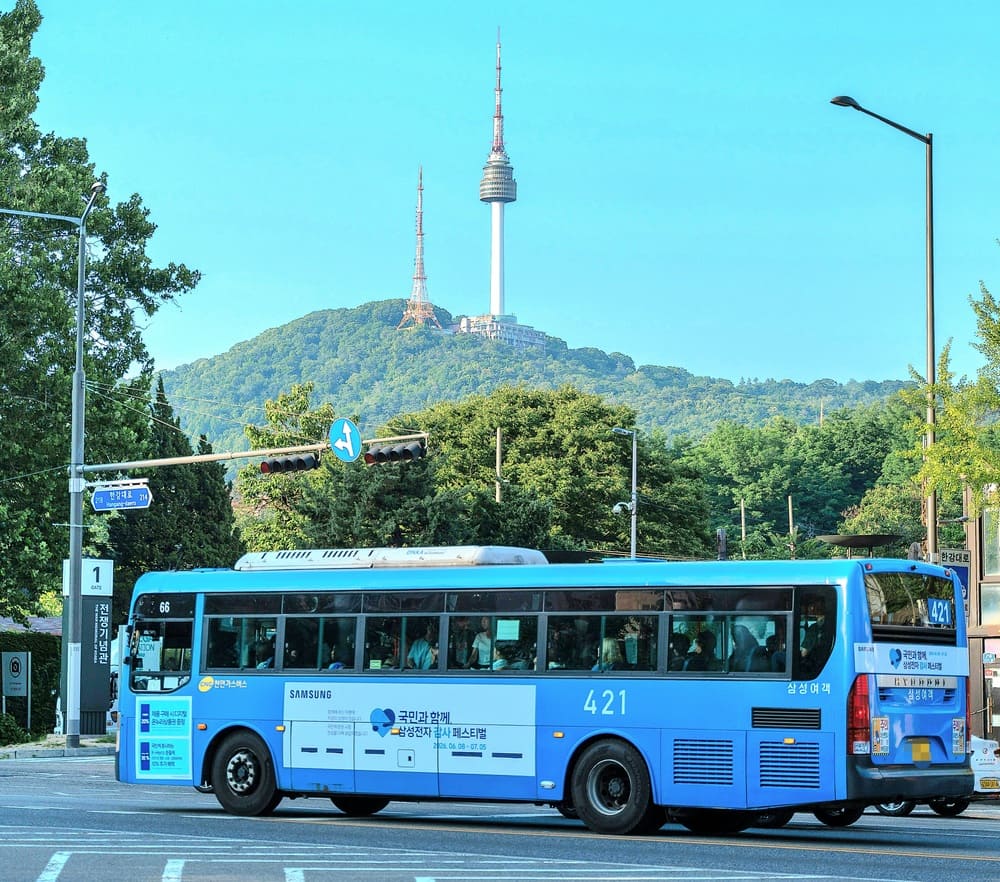
During the morning (07:30–09:00) and evening (18:00–19:30) commuting hours, buses become incredibly crowded with no room to step. For your pleasant travel and physical well-being, we recommend avoiding bus rides during these times. If you must travel during these hours, we recommend using the subway. Although it may also be crowded, it helps you avoid severe road traffic jams and guarantees punctuality.
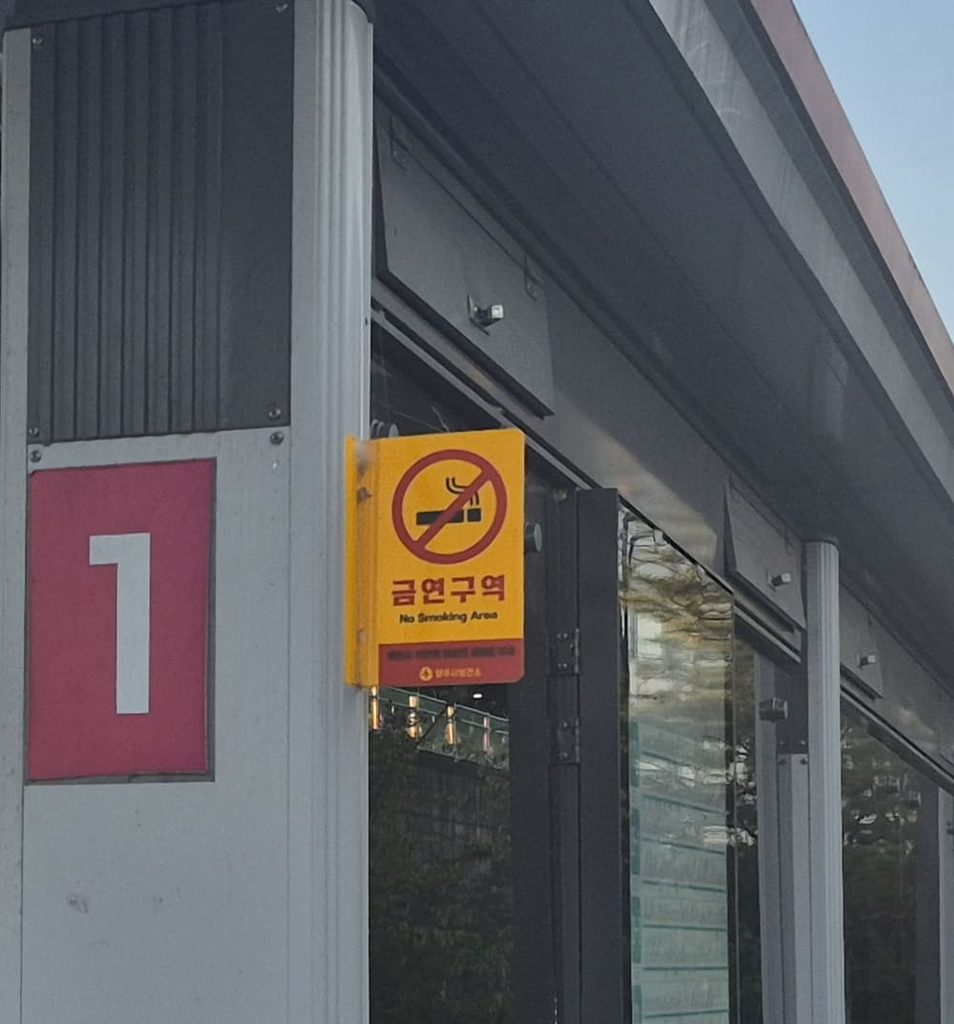
🚭 Warning: Bus Stops are Strict No-Smoking Zones
By law, all bus stops in Korea and their immediate surroundings (usually within a 10-meter radius) are strictly designated as ‘No Smoking Zones’. If you are caught smoking (including e-cigarettes) at a bus stop, you can be fined 100,000 KRW on the spot. Please ensure you only smoke in designated smoking areas!
2. No Food or Drinks Rule
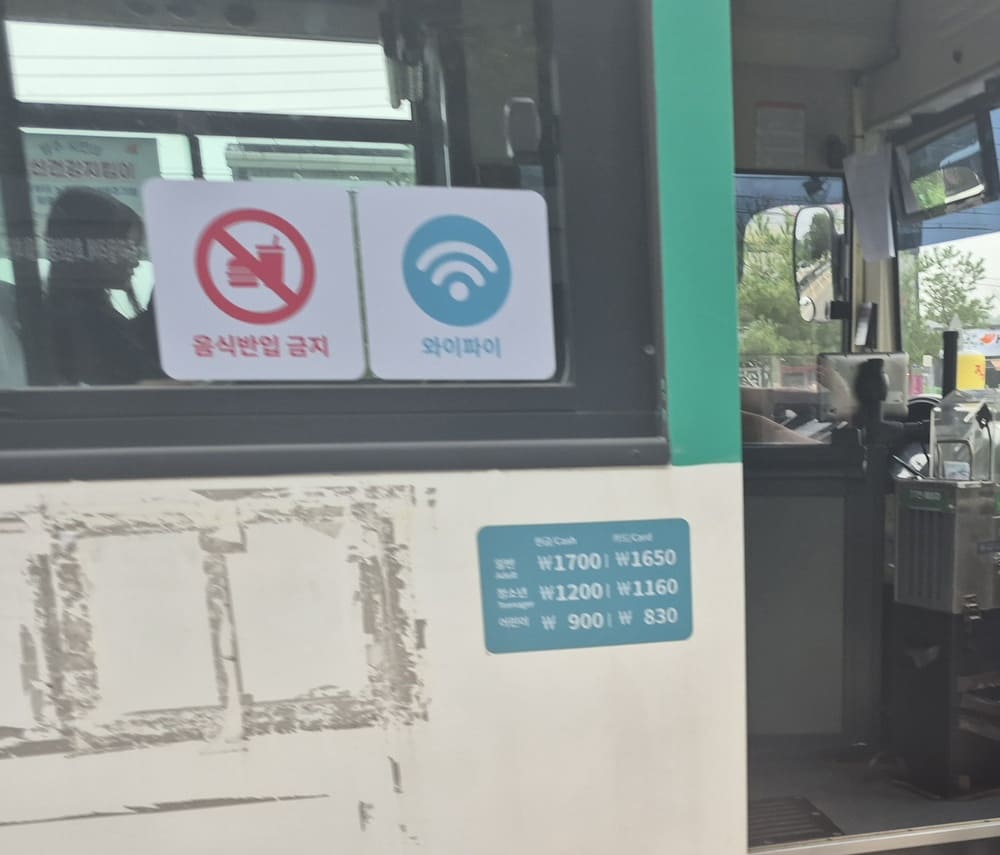
You are not allowed to bring food on Korean buses. Please note that if you try to board with food, the driver may deny your boarding.
- ❌ Strictly Prohibited: You cannot bring items like takeout coffee in plastic cups, beverages, ice cream, or open street food. Eating inside the bus is also naturally prohibited.
- ✅ Allowed: Only tightly closed plastic water bottles that do not leak, or food completely sealed inside your bag, are allowed on board.
3. Four Courtesies for a Pleasant and Safe Ride (Safety & Etiquette)
- 🛑 Stand up only after the bus completely stops: Once you press the stop bell, the driver will stop at the next station. You can simply stand up and exit after the bus has completely stopped, so there is no need to push yourself to stand up while moving.
- 🚶♂ Move inside after boarding: Standing near the front entrance after boarding blocks the way for passengers boarding behind you, so it is best to move into the empty space inside.
- 🎒 Hold your backpack on your front when crowded: When there are many passengers, it is recommended to wear your bag on your front so it does not block movement.
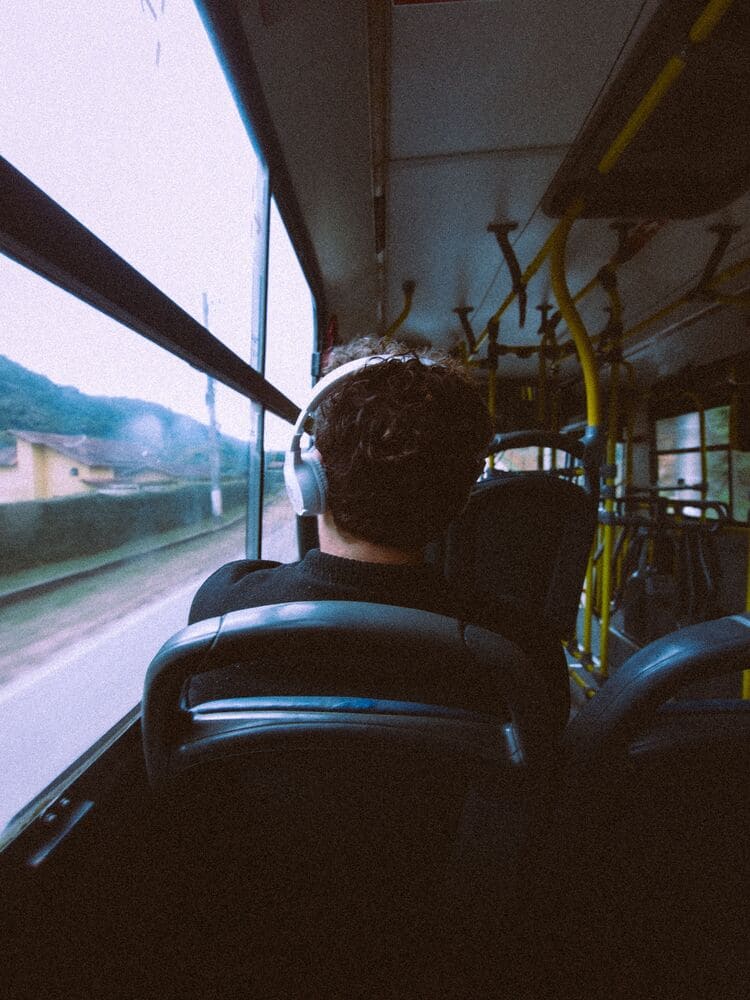
- 🎧 Travel quietly: Avoid loud conversations or phone calls, and always use earphones when listening to music or watching videos on your smartphone.
4. Priority Seating & ‘Pregnancy Badge’ (Priority Seating)
Korean buses have designated priority seats distinguished by color for the elderly and pregnant women.
- 💺 Priority Seats (Usually Yellow): Reserved for the elderly, disabled, and passengers with young children. You may sit comfortably if it is empty, but please yield the seat if such passengers board.
- 💺 Pregnancy Seats (Usually Pink): These are marked in pink for pregnant women, though some buses do not have pink seats and unify them all as ‘Priority Seats’ (which includes pregnant women). Likewise, you may sit if it is empty, but please yield the seat immediately if a pregnant woman boards.
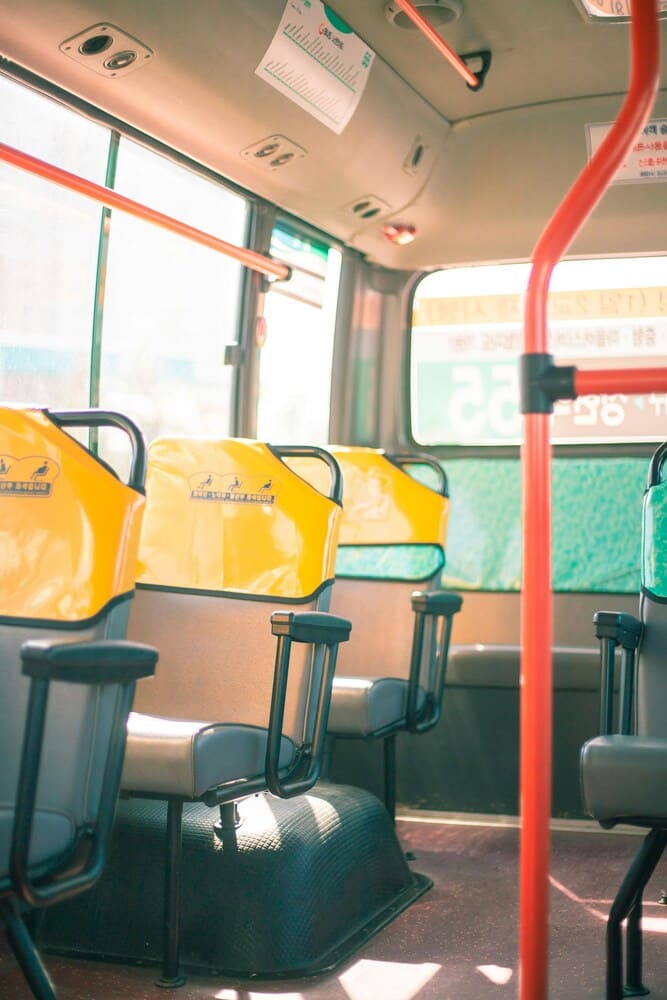
📌 Seat Location Tip: Priority seats are mainly the single seats and those around the exit door. If you’re unsure, just head to the double seats at the back of the bus. There is a 95%+ chance these are regular seats, so you can sit there with peace of mind!
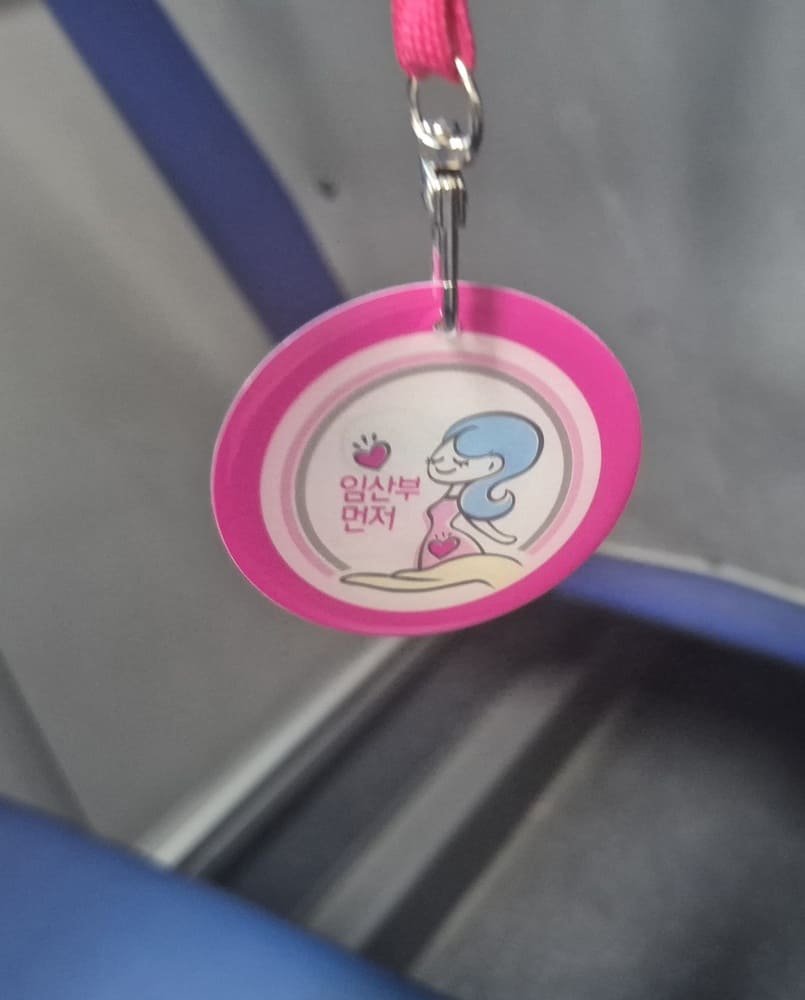
🌟 Pro Tip: Do You Know the ‘Pregnancy Badge’?
In Korea, the government issues official badges for women in the early stages of pregnancy when it might not be physically obvious. If you see a passenger with a pink, round-shaped ‘Pregnancy Badge’ attached to their bag, please show your wonderful manners by yielding your seat!
👉 Next UP: Congratulations, you have mastered everything about Korean buses! In the next part, we’ll show you how to navigate the transfer maze without ever getting lost, and explore the highlight of Korean public transit: [🔗 Part 9. The Ultimate Seoul Subway Guide: Route Map & Transfer Rules].