
📍 Before You Start: Find Your Bus First
Before hopping on a bus, you can easily find the best bus route for your destination using the ‘Naver Map’ app. If you are not yet familiar with using Naver Map for public transit, please check out [🔗Part 5. Essential Naver Map Guide: Why You Shouldn’t Rely on Google Maps in Korea] first! Once you know which bus to take, it’s time to learn the 5 essential survival rules of Korean buses.
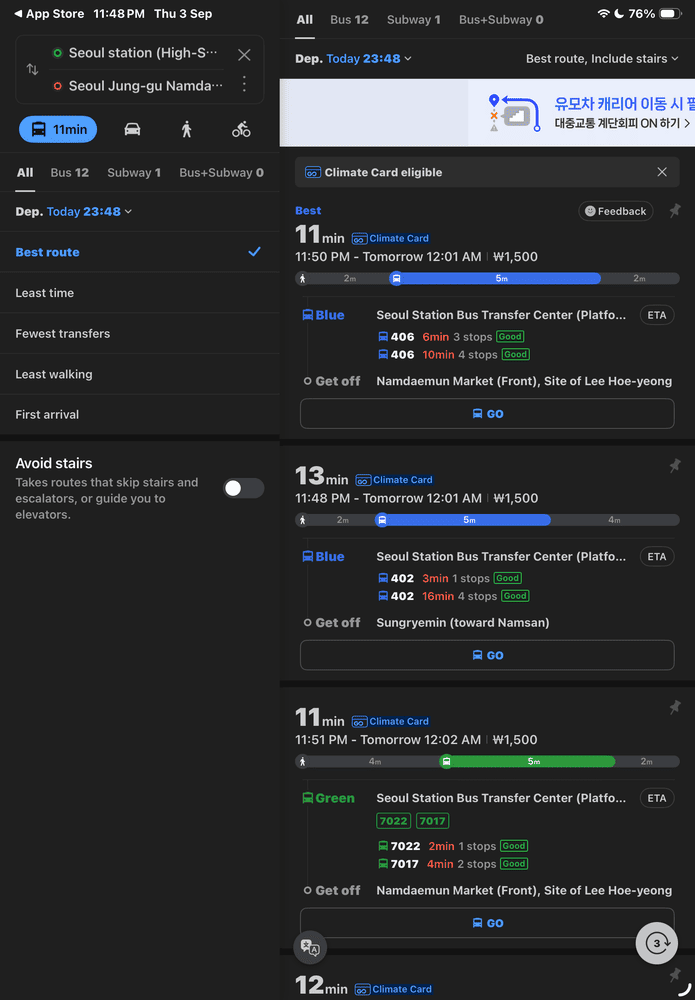
🎨 1. Types of Seoul Buses (Bus Color Codes)
Buses in Seoul are divided into 4 colors based on their roles.
- 🔵 Blue Bus (Main Line): The main buses that travel long distances across Seoul or connect major arterial roads.
- 🟢 Green Bus (Branch Line): These buses intricately connect local neighborhoods to nearby subway stations.
- 🔴 Red Bus (Rapid Transit): Long-distance express buses connecting Seoul to surrounding cities (like Gyeonggi and Incheon). (Note: The fare is slightly higher.)
- 🚐 Village Bus (Small Green): Small, local mini-buses that navigate narrow alleys and steep hills where large buses cannot go.
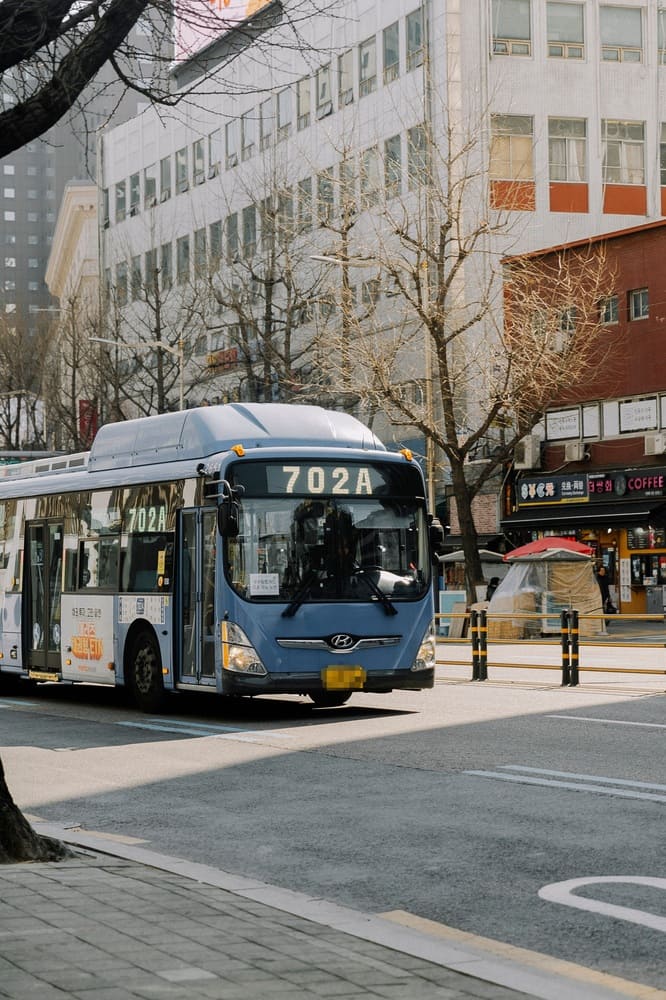
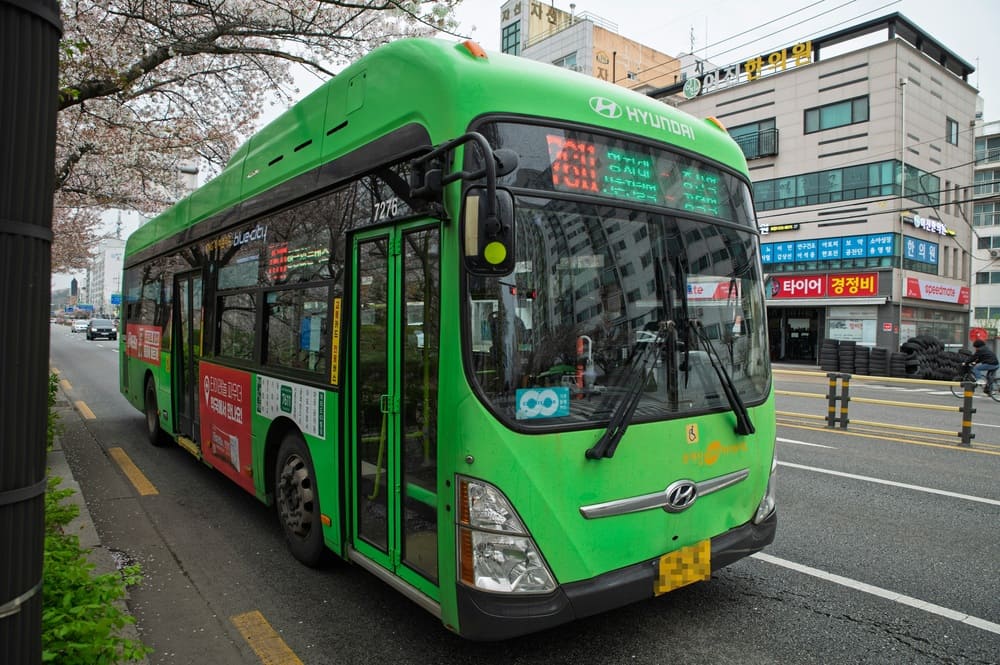
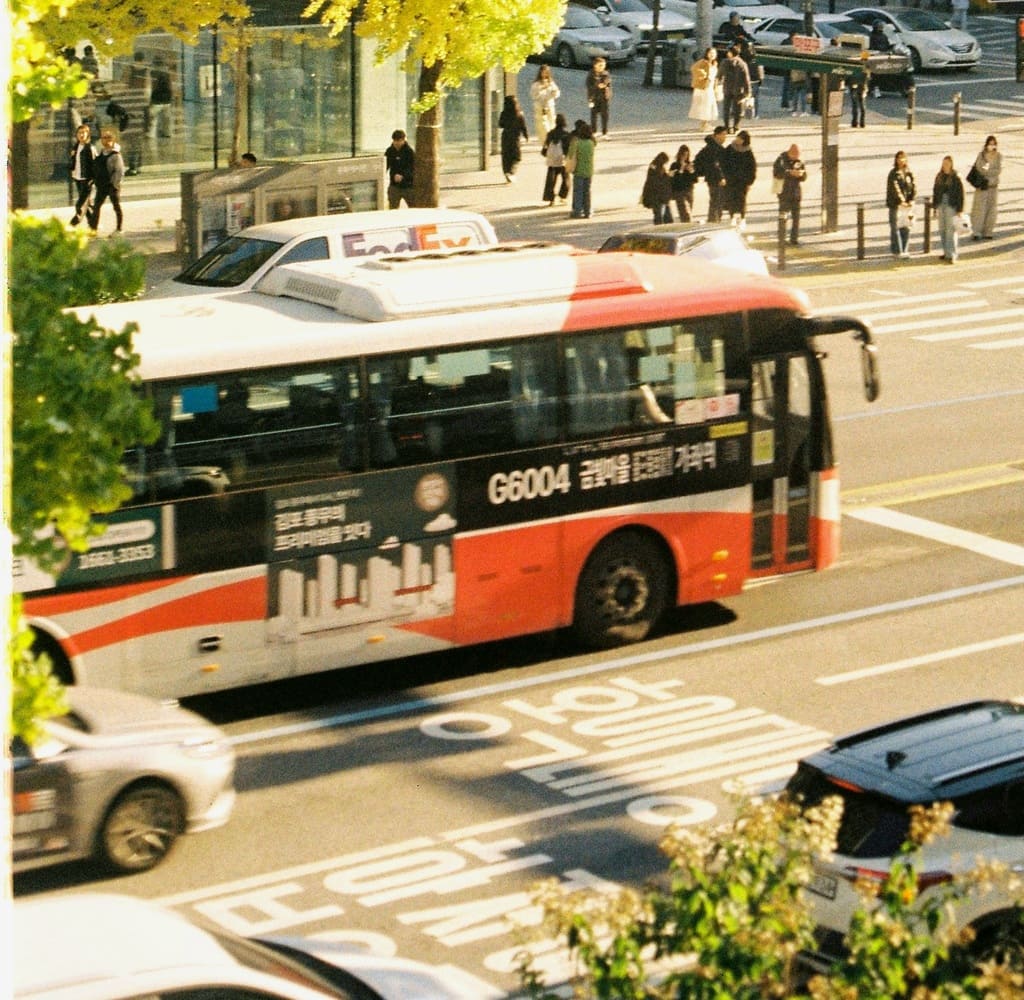
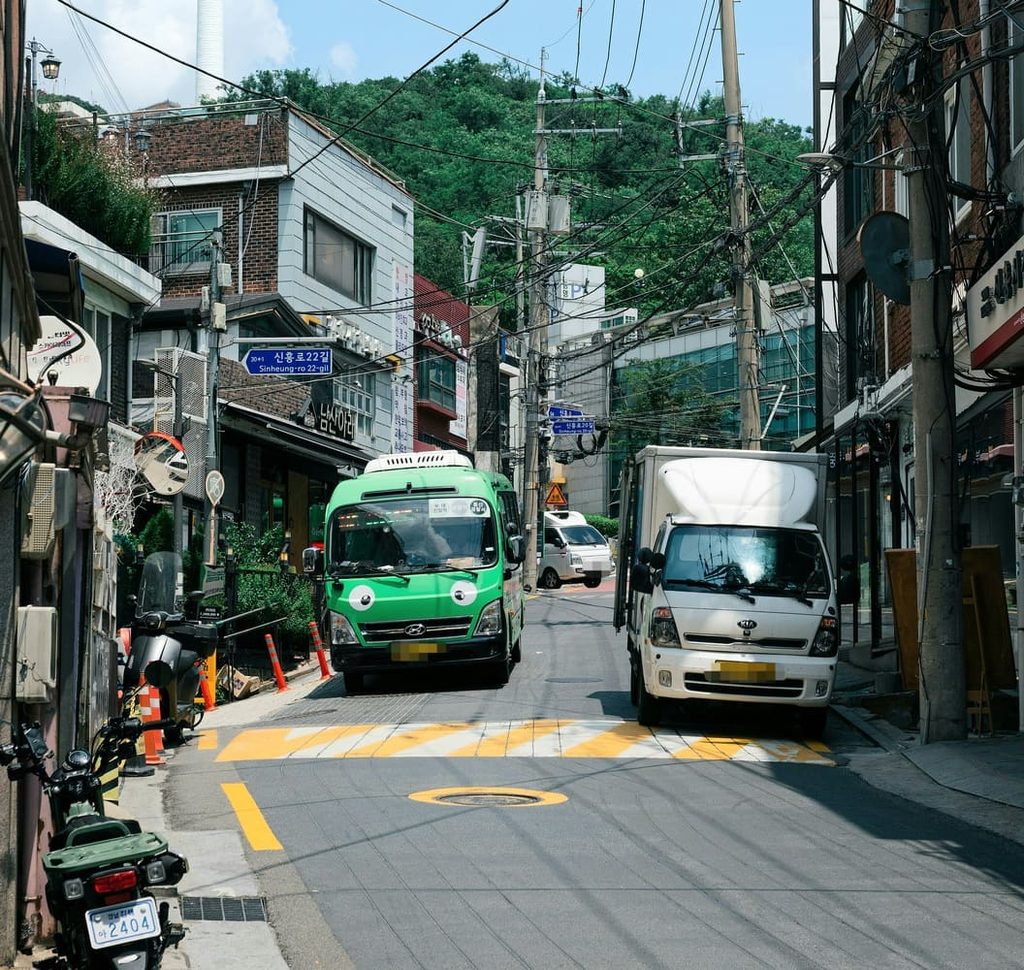
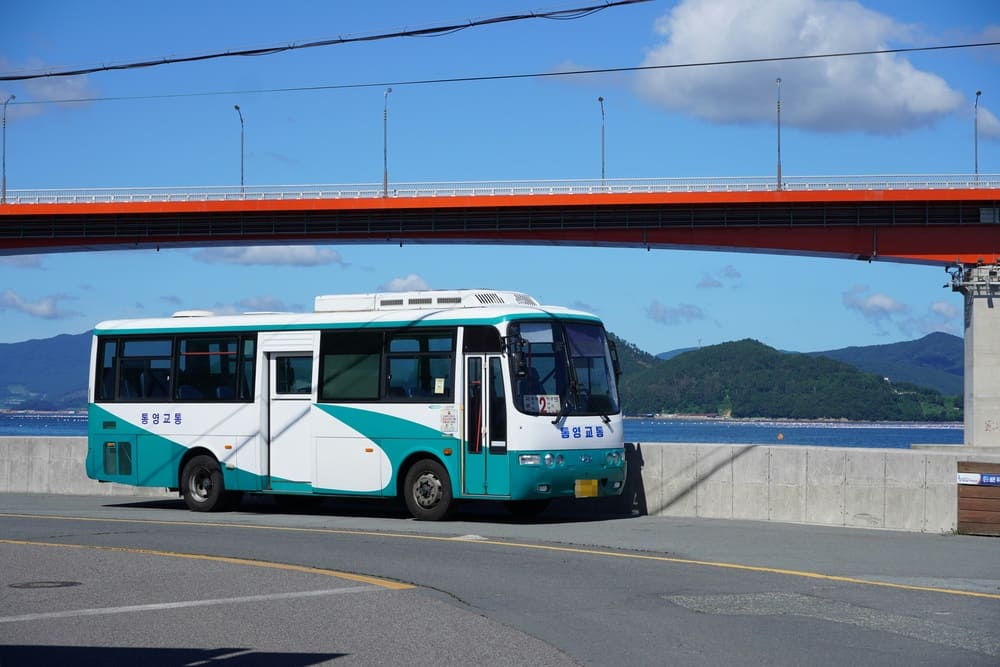
💡 Warning! (Regional Differences): This color-coding system is strictly based on ‘Seoul’. While the surrounding metropolitan areas (Gyeonggi/Incheon) are similar, they are not exactly the same. Be aware that other regional cities like Busan or Jeju have entirely different bus color systems!
🚏 2. Korean Bus Stops: Finding Your Spot & Avoiding Traps
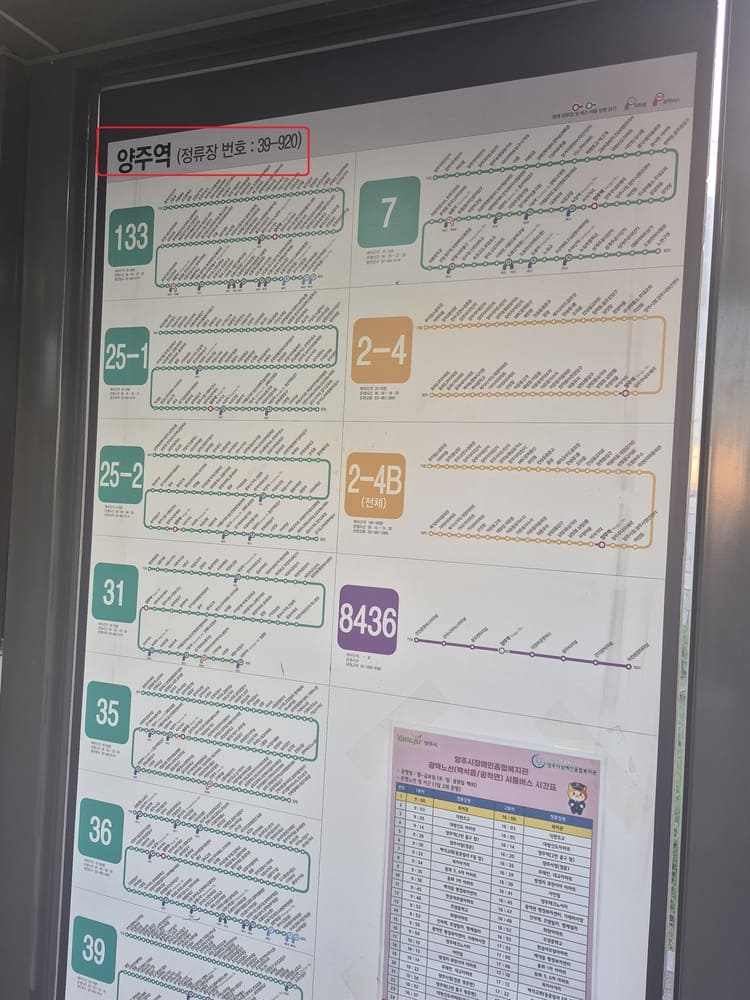
Each bus stop in Korea is assigned a unique 5-digit number(e.g., 02-123). Since there are often bus stops with the exact same name facing each other on opposite sides of the street, you can prevent the mishap of boarding a bus in the wrong direction by searching this unique number on ‘Naver Map’ to confirm the exact location.
🛣 ‘Median Bus Stops’ in the Middle of the Road
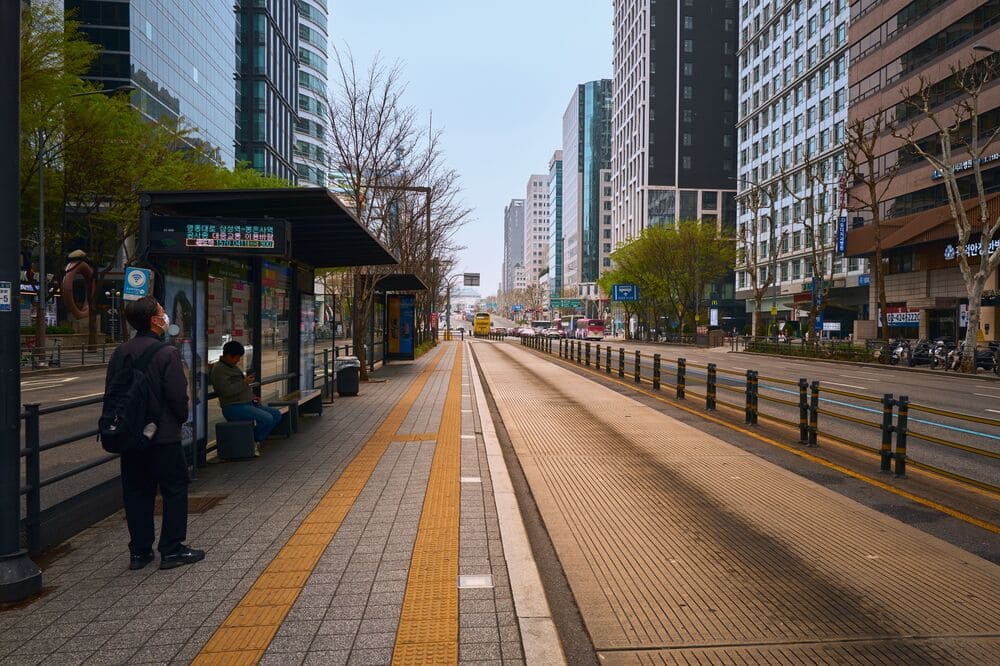
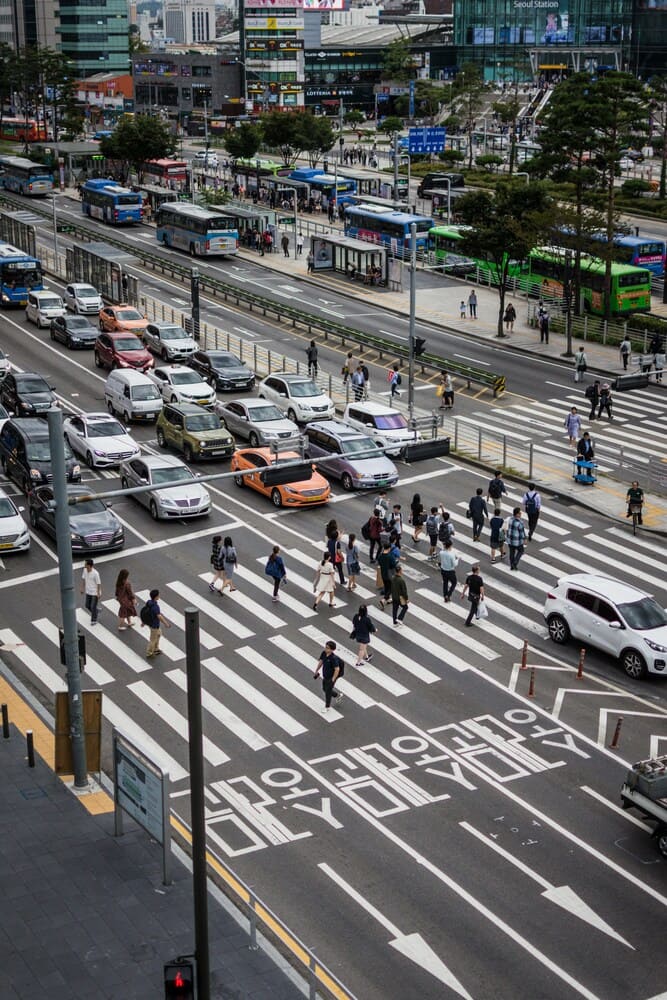
Unlike the outskirts or provincial areas, please note that bus stops on major roads in Seoul are mostly located in the middle of the road (median bus lanes). However, small green ‘village buses’ do not stop at median lanes, and they stop at separate designated stops along the roadside.
🚨 Warning: The Trap of Mega-Stops like Myeongdong / Gangnam Station
Mega-stops served by numerous bus routes, such as Myeongdong, Gangnam Station, and Seoul Station, can become extremely overcrowded during rush hour. In these places, even within the same bus stop, boarding locations differ slightly by bus number. Floor markings indicating where to line up are often obscured by waiting passengers. Therefore, we highly recommend using the ‘Subway’ during these hours!
⏱️ 3. Essential Checks at the Bus Stop: Arrival Time & Bus Status
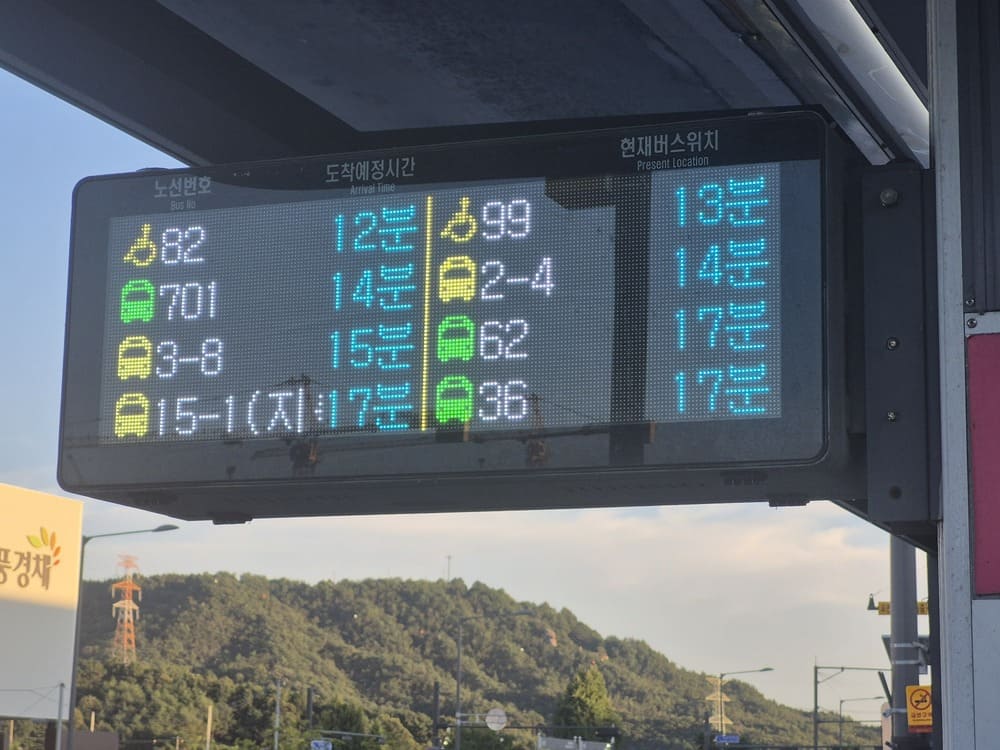
- ✅ Real-Time Arrival: Using the Naver Map app or the LED information boards at the bus stop, you can check exactly how many minutes away your bus is in real-time.
- ✅ Regular Buses (Crowdedness): For Blue and Green buses, you can also see how crowded they are in advance (Spacious / Normal / Crowded) via the app or the electronic board.
- ❌ Red Rapid Buses (Watch out for ‘0 Seats’): It is illegal to stand on the red buses traveling on highways. If the electronic board or app shows ‘0 Seats (Full)’, the driver will not open the door even if you are waiting at the stop, so please wait for the next bus!
💳 4. Essential Rules: Cashless Buses, Transfer Discounts, & Multi-Passenger Payment
🚫 Cashless Bus – Very Important!
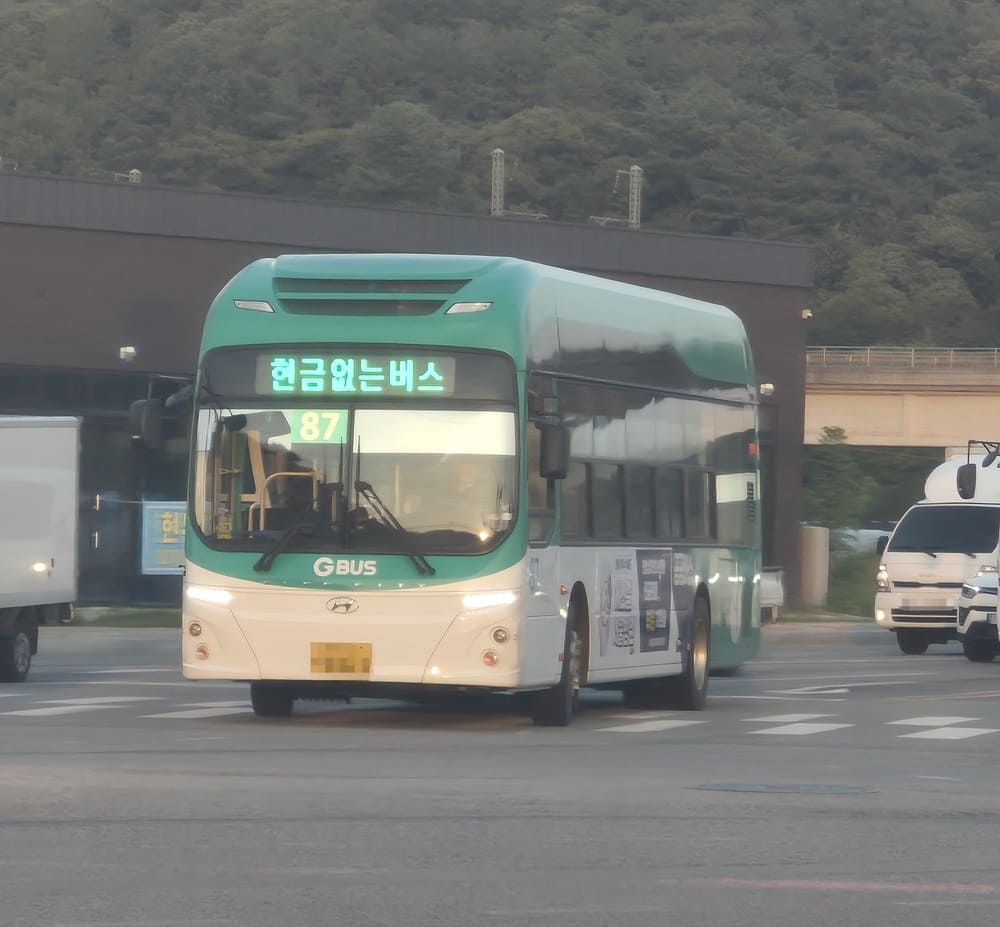
Recently, Korean buses are rapidly transitioning to a ‘cashless bus’ system by entirely removing fare boxes. To avoid the embarrassing situation of being denied boarding due to cash rejection, make sure to prepare a transit card like T-money before getting on the bus!
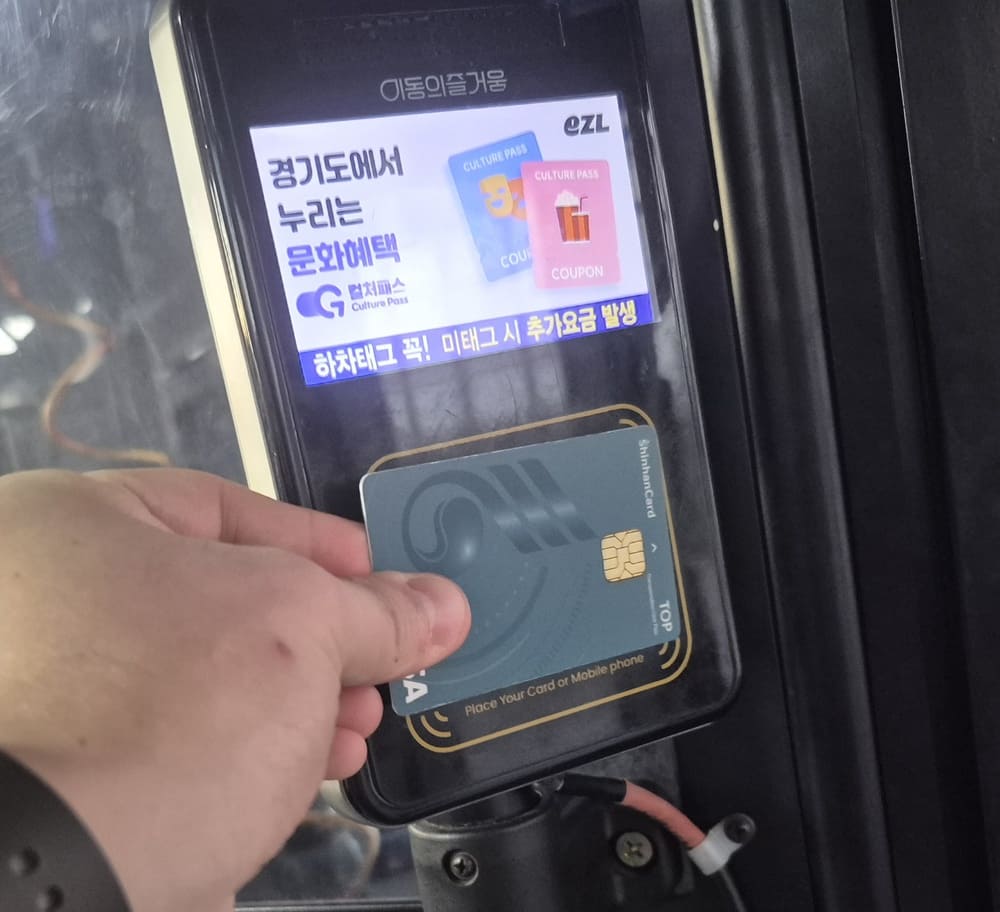
- 💳 Tag On & Tag Off: You must tap your card both when boarding and when getting off to avoid penalty fares. If you transfer within 30 minutes after tagging off, a transfer discount is applied. This is extended to 60 minutes at night (9 PM to 7 AM)! (Note: Transfers are not valid if you board the exact same bus number you just got off.)
- 👥 Multi-Passenger Payment: If you are paying for multiple people with one card, tell the driver the number of passengers before tapping the card. When getting off, everyone must get off at the same stop together, and you only need to tap the card once to ensure the fare is calculated correctly and the transfer discount is maintained.
🚨 Warning: No Subway Transfers for Multi-Passenger Payments!
While you can pay for multiple people with a single card on a bus, subway transfers are not possible because each person must tap their own card every time they pass through the turnstiles. If you plan to use the subway, it is much more efficient for each person to use their own transportation card.
🔔 5. How to Know Your Stop for the Perfect Alighting Timing
Once you have successfully boarded the bus, it’s time to get off safely at your destination. In Korea, buses may simply bypass a stop if no passenger presses the ‘STOP’ bell. Therefore, it is highly important to know exactly where you are to press the bell at the right time. Here are the tips to check your location:
- 📱 Naver Map (Highly Recommended!): If you search for your bus number in the Naver Map app, the entire route map will appear, showing the real-time locations of operating buses. You can visually track exactly which stops your bus is currently passing between.
- 🪧 Check the Electronic Board: Look at the LED screen installed at the front or middle of the bus. Usually, the stop name is displayed in Korean first, followed by the English name alternately. Just wait a moment for the screen to change.
- 🔊 Audio Announcements (Seoul Only): Just like the electronic boards, an English announcement immediately follows the Korean audio announcement.
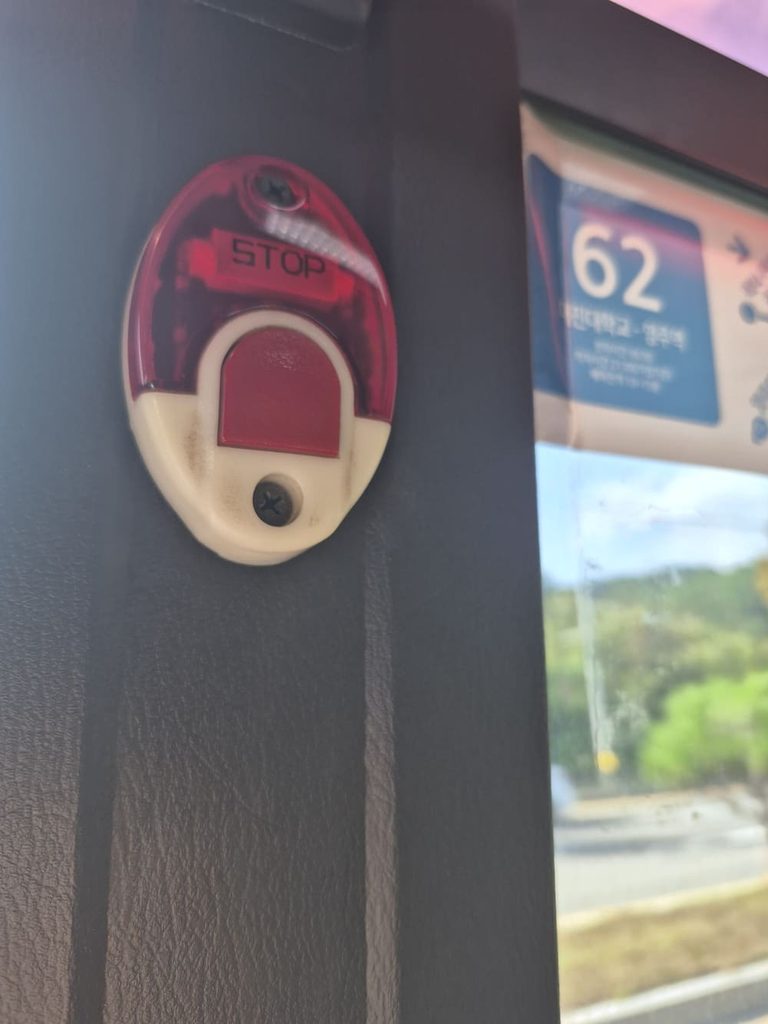
🚨 Warning & Why Naver Map is Highly Recommended:
English audio announcements and English text on electronic boards are often not supported on some buses, such as those in the outskirts of Seoul or the Gyeonggi area. Therefore, to know your exact stop timing safely and accurately without any language barrier, we highly recommend keeping the ‘Naver Map’ app open during your ride!
👉 Next UP: Have you perfectly mastered the payment system and transfer rules? In the next part, we will cover the practical etiquette and boarding flow to ride the bus naturally like a local: [🔗 Part 8. Seoul Bus Survival Guide: Boarding Flow & Etiquette].